






History: The Windmills of La Mancha
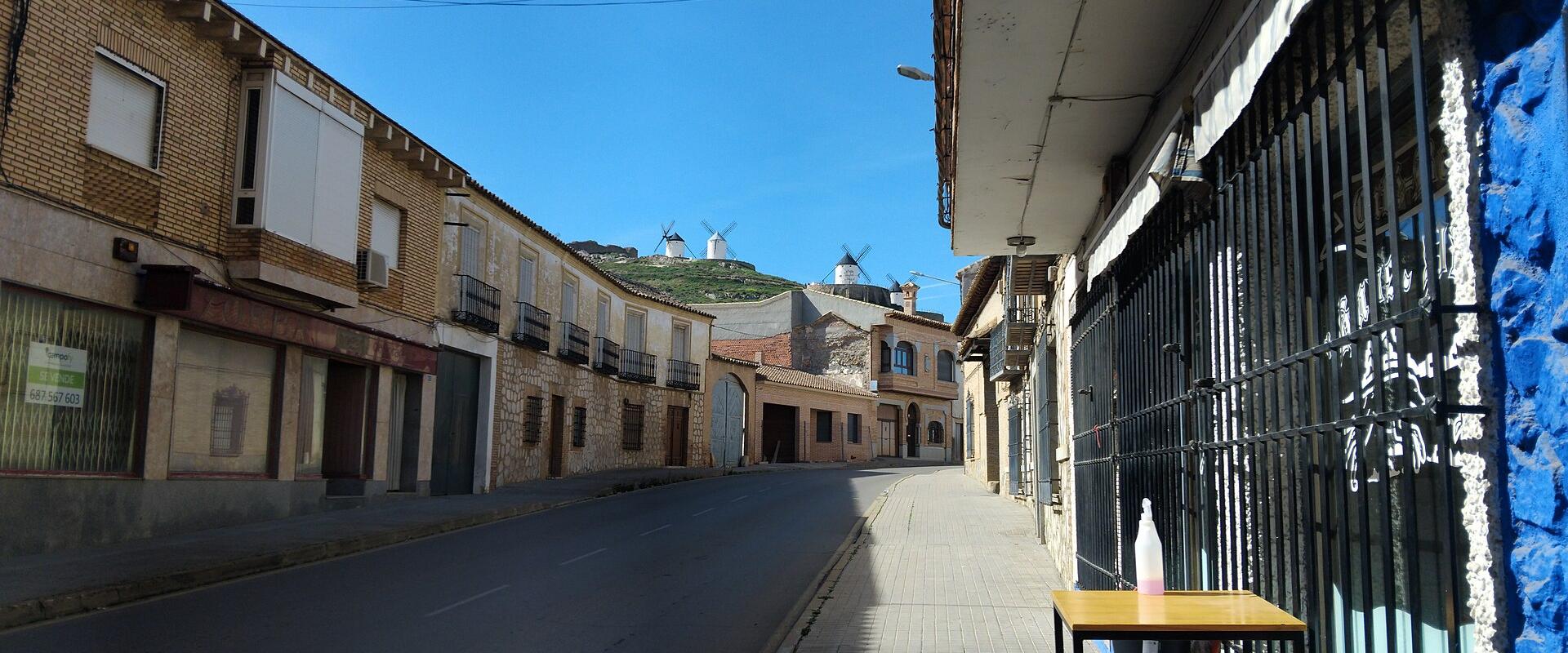
The history of Consuegra is inextricably linked to the literary and cultural heritage of Castile-La Mancha. While the town itself has ancient roots, its modern identity is deeply intertwined with the literary works of Miguel de Cervantes. It is widely believed that the windmills crowning the hill were the inspiration for the famous windmill scene in Don Quixote de la Mancha, where the protagonist famously attacks the "giants" that turn out to be mere windmills. This literary connection has transformed the site from a simple agricultural landmark into a cultural icon of Spanish literature.
Historically, the area was a strategic point on the route between Madrid and Valencia. The windmills themselves, dating back to the 16th and 17th centuries, were essential for grinding grain, the staple of the local diet. The preservation of these structures is a testament to the region's commitment to maintaining its historical heritage. The white-washed towers, with their distinctive red and black stripes, stand as a living museum of the agricultural traditions that have shaped the Castilian plain for centuries.
Main Attractions: The Windmills and the Alcazar
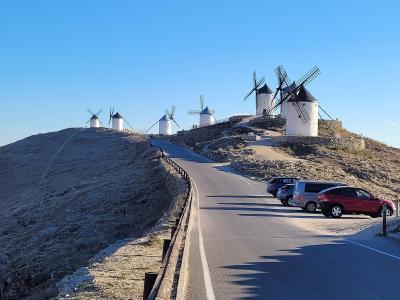
The primary attraction in Consuegra is the group of windmills that crown the hill of San Pedro. There are several of these windmills, including the notable San Baudilio, San Pedro, and San Juan. Each structure offers a unique perspective of the surrounding landscape, which is characterized by the vast, open plains of La Mancha. The visual impact of the white towers against the blue sky is striking, making it a popular spot for photography and reflection.
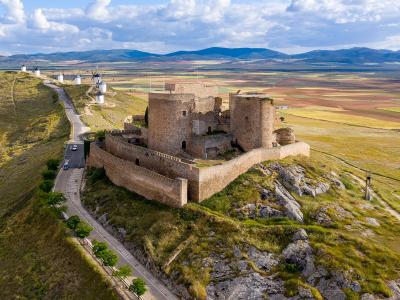
In addition to the windmills, the town features the Alcazar de Consuegra, a 12th-century Moorish fortress. Although the original structure has been largely modified, the remaining walls and towers offer a glimpse into the medieval history of the region. The fortress provides panoramic views of the surrounding countryside, offering a different perspective on the landscape compared to the windmills. The contrast between the ancient stone of the fortress and the white windmills creates a visually compelling narrative of the region's history.
Activities: Exploring Heritage and Nature
Visitors to Consuegra can engage in a variety of activities that highlight the region's cultural and natural heritage. Walking tours are a popular way to explore the historic center, allowing visitors to appreciate the architectural details of the windmills and the old town. The local museums, such as the Museo de la Molienda, offer insights into the traditional methods of grain processing and the historical significance of the windmills.
For those interested in the natural landscape, the surrounding area offers opportunities for hiking and cycling. The flat terrain of the La Mancha plain is ideal for cycling, with several designated routes that pass through the windmills and other historical sites. The region is also known for its traditional crafts, including the production of traditional ceramics and textiles, which can be explored in local workshops.
Getting There: Accessibility and Transport
Consuegra is well-connected by road, making it accessible by car from major cities in Spain. The town is located on the A-40 highway, which connects Madrid to Valencia. The journey from Madrid takes approximately one hour, making it a convenient day-trip destination. Public transportation is also available, with regular bus services connecting Consuegra to nearby cities such as Toledo and Albacete.
For those traveling by train, the nearest major station is in Ciudad Real, which is connected to Madrid by high-speed rail. From Ciudad Real, visitors can take a local bus or taxi to reach Consuegra. This option is ideal for those who prefer not to drive, offering a comfortable and convenient way to reach the destination.
Best Time to Visit: Seasonal Considerations
The best time to visit Consuegra is during the spring and autumn months, when the weather is mild and pleasant. Spring, from March to May, offers mild temperatures and blooming landscapes, making it an ideal time for exploring the historic sites and natural surroundings. Autumn, from September to October, offers similar favorable conditions, with warm days and cooler evenings, perfect for outdoor activities.
Summer months, particularly July and August, can be extremely hot, with temperatures often exceeding 35 degrees Celsius. While this is a popular time for tourism, visitors should be prepared for the heat and plan their activities accordingly, perhaps focusing on early morning or evening excursions. Winter months, while mild, can be cooler, so visitors should pack accordingly and be prepared for occasional rain.
Best time to visit
April to June and September to October offer mild weather, avoiding the intense summer heat.
What to see in Consuegra
Our picks first.
Consuegra by interest
The same sights, grouped by what you came for.
Did you know?
Checked facts about Consuegra, each with its source.
-
Film & TV
Almodóvar's Spanish Setting
The town served as a filming location for Pedro Almodóvar's iconic film, Volver, contributing to its theatrical atmosphere.
Source: www.trip.com -
History
The Death of Diego Rodríguez
In 1097, Diego Rodríguez, the son of the legendary El Cid, was killed in battle at this location, marking a significant and tragic moment in the town's history.
Source: www.idealista.com
Planning a visit to Consuegra
Itineraries that include Consuegra
Good to know
- Currency
- EUR
- Language
- Spanish