
History and Cultural Heritage
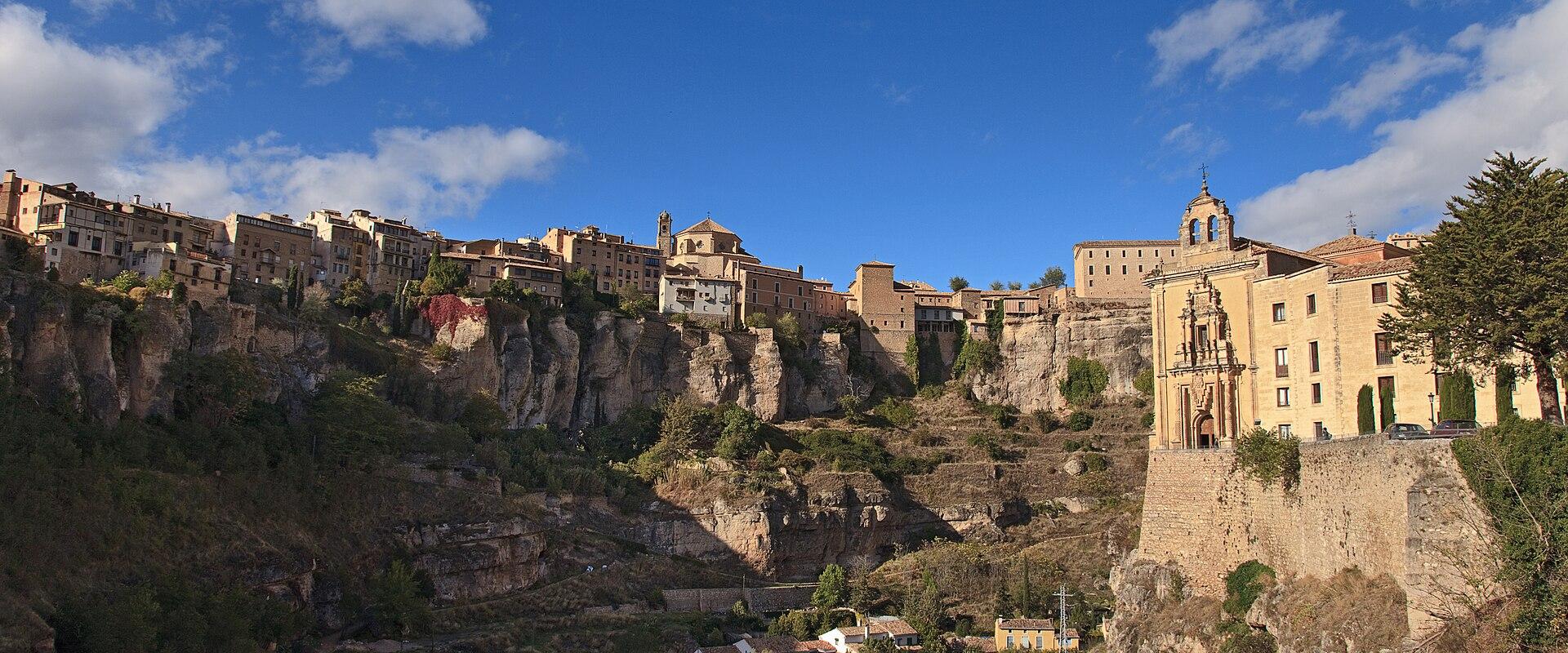
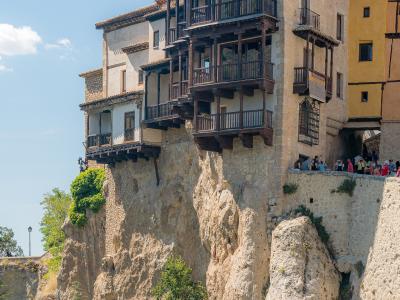
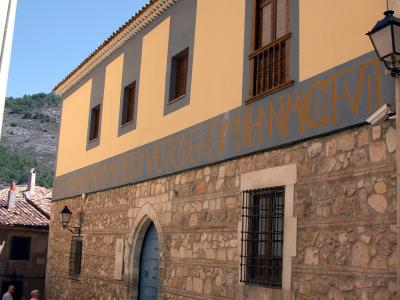
Cuenca’s history is deeply intertwined with its dramatic geography, shaped by the defensive needs of a frontier town. The city was originally established by the Moors in the 8th century, who built a fortress to control the strategic passage between the Castilian plateau and the Mediterranean. As the Christian Reconquista advanced, Cuenca became a crucial border town, fortified to withstand attacks. The historic center, or Casco Histórico, retains the layout of this medieval period, with narrow, winding streets that climb the steep slopes of the gorges. The architecture reflects a blend of Moorish, Gothic, and Renaissance influences, visible in the stone facades and the iconic casas colgadas (hanging houses). These structures, built directly onto the cliff edge, are a testament to the ingenuity of medieval builders who adapted to the rugged terrain. The preservation of these historic buildings offers a tangible link to the region’s past, where history is not just recorded in books but is physically embedded in the landscape.
Main Attractions
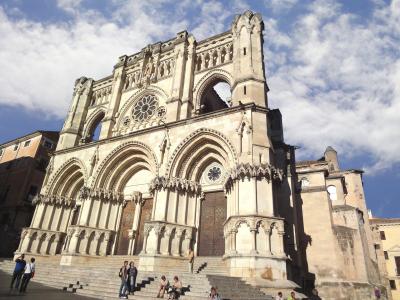
The most striking feature of Cuenca is the Casas Colgadas, or Hanging Houses, which appear to float above the deep gorge of the Huécar River. These medieval buildings, with their overhanging upper floors, are a unique architectural marvel and a major draw for visitors. Adjacent to the hanging houses is the San Pedro Bridge, a 16th-century stone bridge that provides a stunning vantage point for viewing the gorge. Another key attraction is the Catedral de San Salvador, a Gothic cathedral that dominates the skyline with its imposing facade and intricate interior. The cathedral’s cloister, known as the Claustro de los Trinitarios, is a serene space adorned with intricate stonework. Additionally, the Museo Catedralicio houses a collection of religious art, including works by El Greco, offering a deeper insight into the region’s artistic heritage.
Activities
Visitors to Cuenka can engage in a variety of activities that highlight the natural and cultural beauty of the region. The Ciudad Encantada (Enchanted City), a natural park located about 30 kilometers away, offers a unique landscape of limestone rock formations shaped by erosion. Hiking trails through the park provide opportunities for exploration and photography. In the city itself, visitors can explore the historic center, visiting the cathedral and the hanging houses. The local cuisine is also a highlight, with traditional Castilian dishes served in local restaurants. For a more relaxed experience, visitors can stroll through the parks and gardens, enjoying the peaceful atmosphere.
Getting There
Cuenca is well-connected by road, with regular bus services from Madrid. The journey takes approximately 1.5 to 2 hours, depending on traffic. Buses depart frequently from the Estación Sur de Autobuses in Madrid, with multiple daily services. For those traveling by car, the A-3 highway provides a direct route from Madrid to Cuenca, with the journey taking approximately 1.5 hours. The road conditions are generally good, with clear signage. Public transport is reliable and affordable, making it an accessible option for travelers.
Best Time to Visit
The best time to visit Cuenca is during the spring (April to June) and autumn (September to October) months. During these periods, the weather is mild and pleasant, with comfortable temperatures for exploring the city and its surroundings. The summer months can be hot, with high temperatures that may be uncomfortable for outdoor activities. The winter months are cooler, with occasional frost, but the city retains its charm. The ideal time to visit is during the shoulder seasons, when the weather is pleasant and the crowds are smaller, allowing for a more relaxed and immersive experience.
Best time to visit
May through September offers warm, sunny weather ideal for exploring the historic center.
What to see in Cuenca
Our picks first.
Cuenca by interest
The same sights, grouped by what you came for.
Did you know?
Checked facts about Cuenca, each with its source.
-
Film & TV
Cuenca Stood in for Conan the Barbarian
The strange limestone rocks of Ciudad Encantada, located just north of Cuenca, served as a filming location for the fantasy film Conan the Barbarian.
Source: discoveringtheworldtravel.wordpress.com -
History
Nine-Month Siege of Cuenca in 1177
In 1177, King Alfonso VIII of Castile and King Alfonso II of Aragon led a siege against Cuenca that lasted over nine months, ending when the city surrendered to the Christians on September 21.
Source: en.wikipedia.org -
Notable Person
Governor García Hurtado de Mendoza Born Here
García Hurtado de Mendoza, who later became the Marquis of Cañete and a significant historical figure in South America, was born in Cuenca on July 21, 1535.
Source: www.bornglorious.com
Planning a visit to Cuenca
Itineraries that include Cuenca
Good to know
- Currency
- EUR
- Language
- Spanish
Quick Facts
Book your stay
Questions people ask
More places in Castile-La Mancha
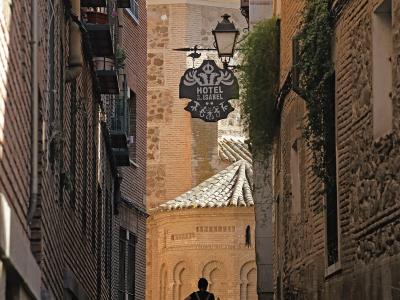
Castile-La Mancha
Toledo
Castilian city on a river with Moorish heritage
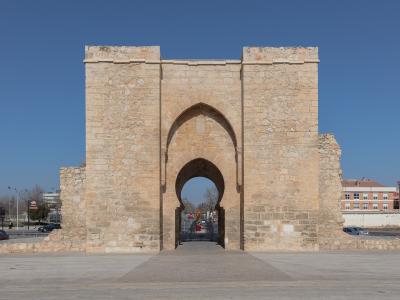
Castile-La Mancha
Ciudad Real
Provincial capital in Castile-La Mancha
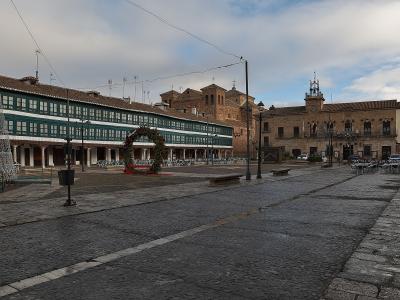
Castile-La Mancha
Almagro
Castilian town with oldest theater in the world
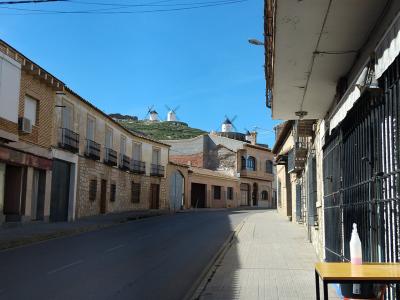
Castile-La Mancha
Consuegra
Historic town with iconic windmills in Castile-La Mancha