







- Where
- Córdoba, Andalusia
- Directions
- Directions
The Alcázar de los Reyes Cristianos, the Alcázar of the Christian Kings, is a fortress-palace beside the Guadalquivir in Córdoba, a short walk from the Mosque-Cathedral, and it gave the kings of Castile a base in the city after the Christian conquest. King Alfonso XI of Castile ordered its construction in 1328, on the site of earlier buildings, among them the palaces of the Muslim rulers of Córdoba, which stood here from the caliphate period. The Romans and Visigoths had also built in this part of the city, close to the river, and the Alcázar sits on layers of earlier history. Its position, near the Roman bridge and the old city walls, made it a strong point.
The site carries Roman, Islamic, Gothic and Renaissance layers, typical of a city on the Guadalquivir River in the south of the Iberian Peninsula, in Spain. The building is a square fortress with thick walls of ashlar stone and four corner towers. The most important are the Torre del Homenaje, the main keep, and the Torre de los Leones, the Tower of the Lions, with others on the river side. The style is Gothic with Mudéjar-style details, mixing the Christian military tradition with decorative details by Muslim craftsmen, which can be seen in the plasterwork, tiles and wooden ceilings of some rooms. Inside, there are patios, halls and a bath complex, the Baños Califales, a set of vaulted rooms from the caliphate period that were preserved under the fortress. From the top of the towers, the walls and the battlements give wide views over the river, the Roman bridge and the roofs of the old town.
The Alcázar played a part in some of the great events of Spanish history. From 1482 to 1492, Ferdinand and Isabella, the Catholic Monarchs, used it as their headquarters during the final stage of the war to conquer the Nasrid kingdom of Granada, and they spent long periods in Córdoba. In 1486, Christopher Columbus met them in the Alcázar to present his plan for a voyage to the west, a meeting that led, after further delay, to the agreement that financed his expedition. The fortress was also used as the seat of the Spanish Inquisition in the city, a role it held for several centuries, and later as a prison, which adds a dark note to its history.
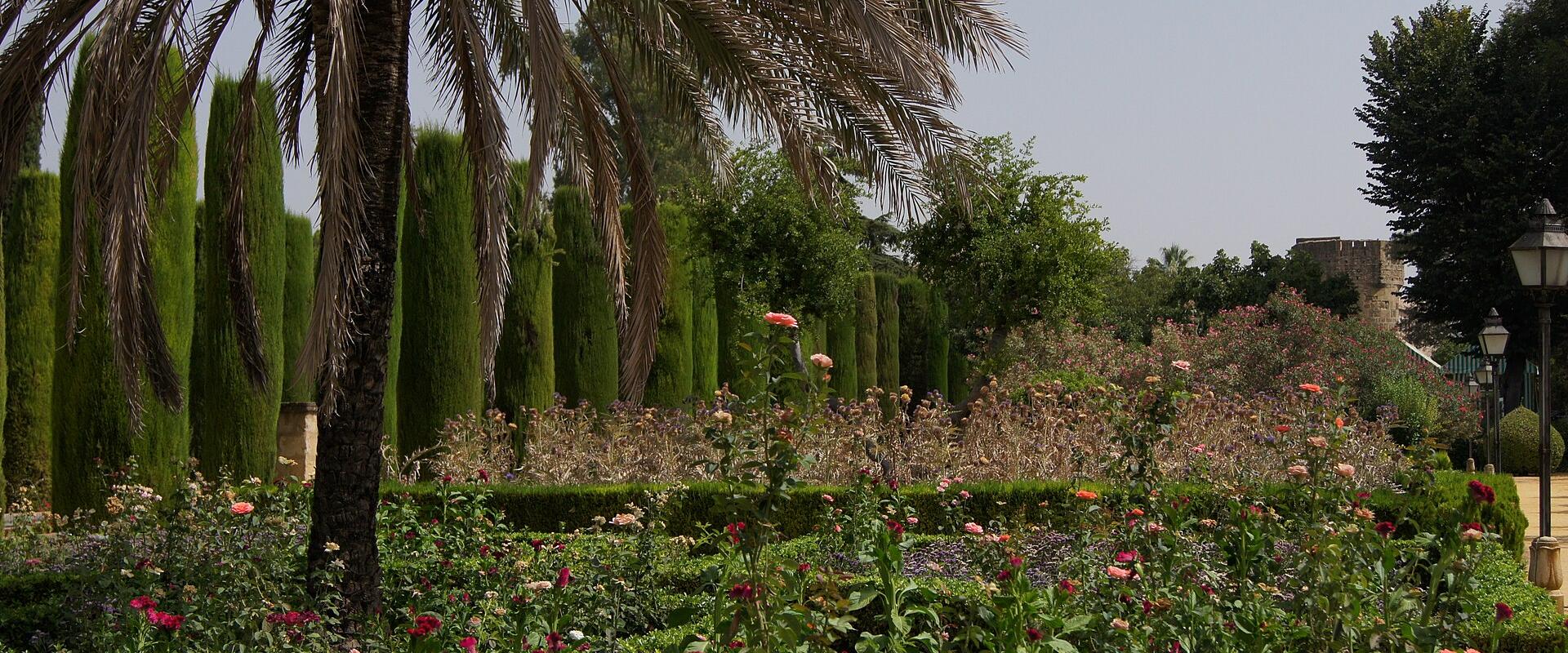
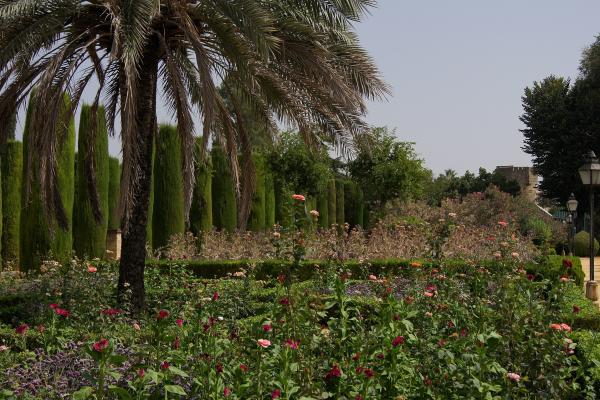
The visit includes the Hall of Mosaics, which displays Roman mosaics found in Córdoba, among them large pieces from the second and third centuries with mythological scenes, and a Roman sarcophagus carved with figures that evoke a journey to the underworld. The gardens are a highlight. Laid out in terraces beside the fortress, in the twentieth century, they are planted with orange trees, cypresses, flowers and hedges, and they have pools, long fountains and a series of water channels, in the Andalusian manner. In the evening, the gardens are illuminated, and visits at night give a different atmosphere.
The site is a museum, and guided tours are available. Hours and prices vary, and the gardens may have separate hours. A visit takes about an hour and a half. The Mosque-Cathedral, the Roman bridge and the Judería are close by.
Categories
More photos coming soon
Nearby Attractions
Other places to visit in Córdoba

Mercado Victoria
Architectural Heritage · Historic Districts
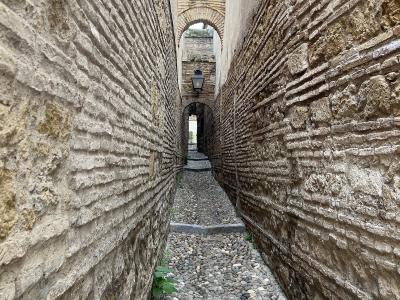
Alley Of The Arquillos (Callejón De Los Arquillos)
Non-walkable medieval alley with seven arches
Historic Heritage · Urban Exploration
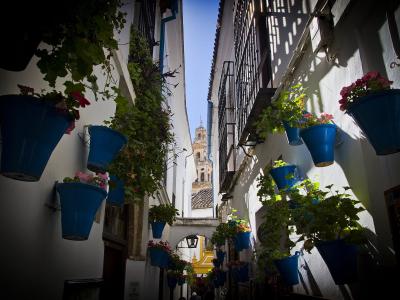
Calleja De Las Flores
Narrow alley with white walls and flower-balconies
Free Historic Districts · Urban Landmarks
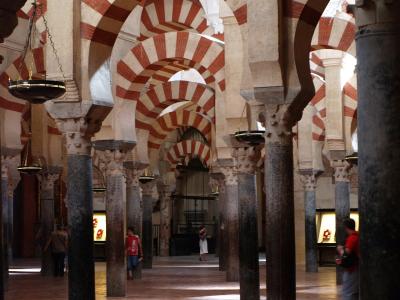
Mezquita-Catedral
UNESCO site blending Islamic and Christian architecture
Historic Heritage · Museums & Culture
Questions people ask
Quick Facts
Best Time to Visit
May through June and September offer mild weather, ideal for exploring the city.