







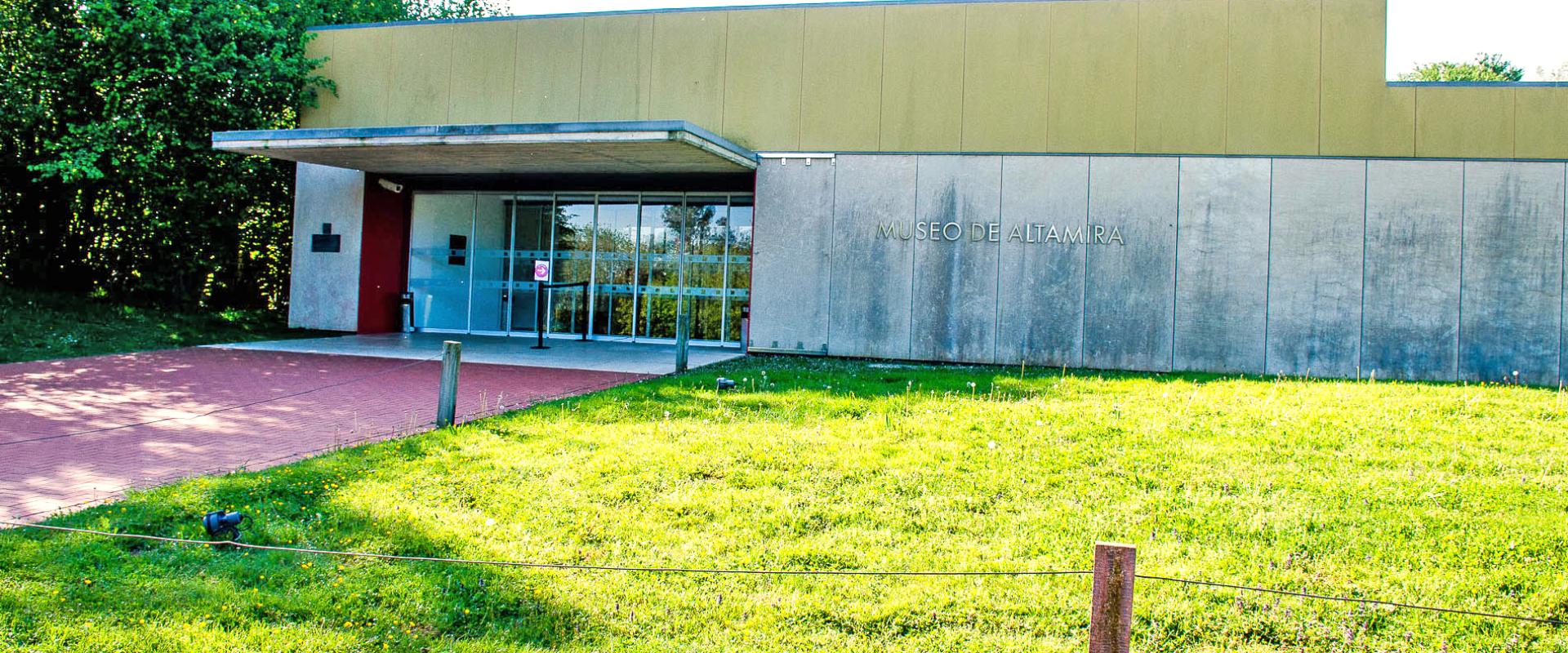
Museo de Altamira
- Where
- Santillana Del Mar, Cantabria
- Directions
- Directions
The Museo de Altamira, formally the Museo Nacional y Centro de Investigación de Altamira, is the visitor centre for the most famous cave of Paleolithic art in the world. It lies on the edge of Santillana del Mar, in Cantabria, a short distance from the real cave. The original Cave of Altamira, with its painted ceiling of bison, was discovered in 1868 by a local hunter and then explored in 1879 by the amateur archaeologist Marcelino Sanz de Sautuola, whose young daughter María is said to have noticed the painted animals on the roof and called out to her father. The paintings were so vivid that experts at first refused to believe they were ancient, and only in the early twentieth century were they accepted as the work of prehistoric people.
The cave is part of the UNESCO World Heritage listing for Altamira and the Paleolithic cave art of northern Spain. The paintings were made over many thousands of years, with the main polychrome ceiling attributed to the Magdalenian period, roughly fifteen thousand years ago. Artists used charcoal and ochre pigments and took advantage of the natural bulges in the rock to give their bison a sense of volume. Because breath, heat and humidity from visitors damaged the paintings, the cave was closed to the general public, and only very limited access has been allowed since then, so most visitors see it through the museum.
The museum was designed by the architect Juan Navarro Baldeweg, who also designed the human evolution museum in Burgos, and it opened in 2001. Its highlight is the Neocueva, a full-scale replica of the cave and the polychrome ceiling, built with great precision with the help of scanning and the work of artists using the same materials as the originals. Walking through it, you get a sense of the scale, shape and feel of the cave, including the low roof and the darkness, and the replica is so accurate that many visitors find it moving.
The permanent exhibition introduces the world of the Upper Paleolithic. It explains how the cave was found and studied, how people lived, hunted and made tools, and what we know about their beliefs and symbols. Displays include original objects found in and around the cave, such as bone tools, ornaments and stone points, along with reconstructions, films and models. The museum also acts as a research centre, working on conservation and on the study of cave art across the world.
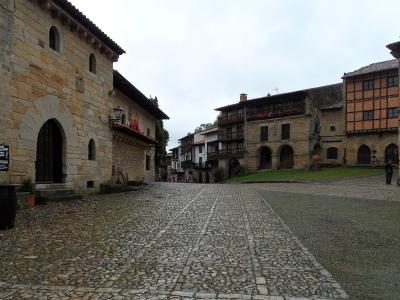
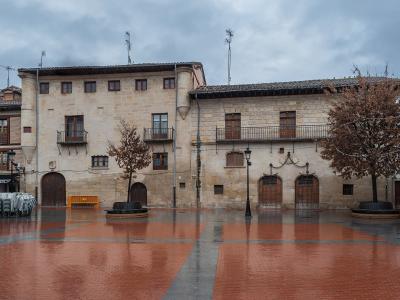
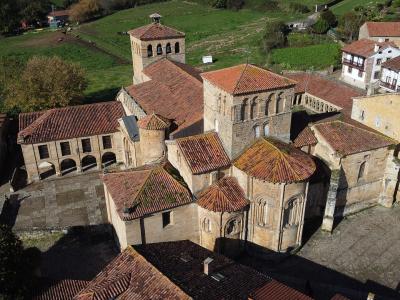
A visit takes one to two hours. It suits families, students and anyone curious about the origins of art, and it combines with a walk around Santillana del Mar, where the Plaza Mayor and the Collegiate Church of Santa Juliana are a few minutes away. Check opening times and ticket options in advance.
More photos coming soon
Nearby Attractions
Other places to visit in Santillana Del Mar
Questions people ask
Quick Facts
Best Time to Visit
May through September offers mild weather, ideal for exploring the historic town.