







- Where
- Córdoba, Andalusia
- Directions
- Directions
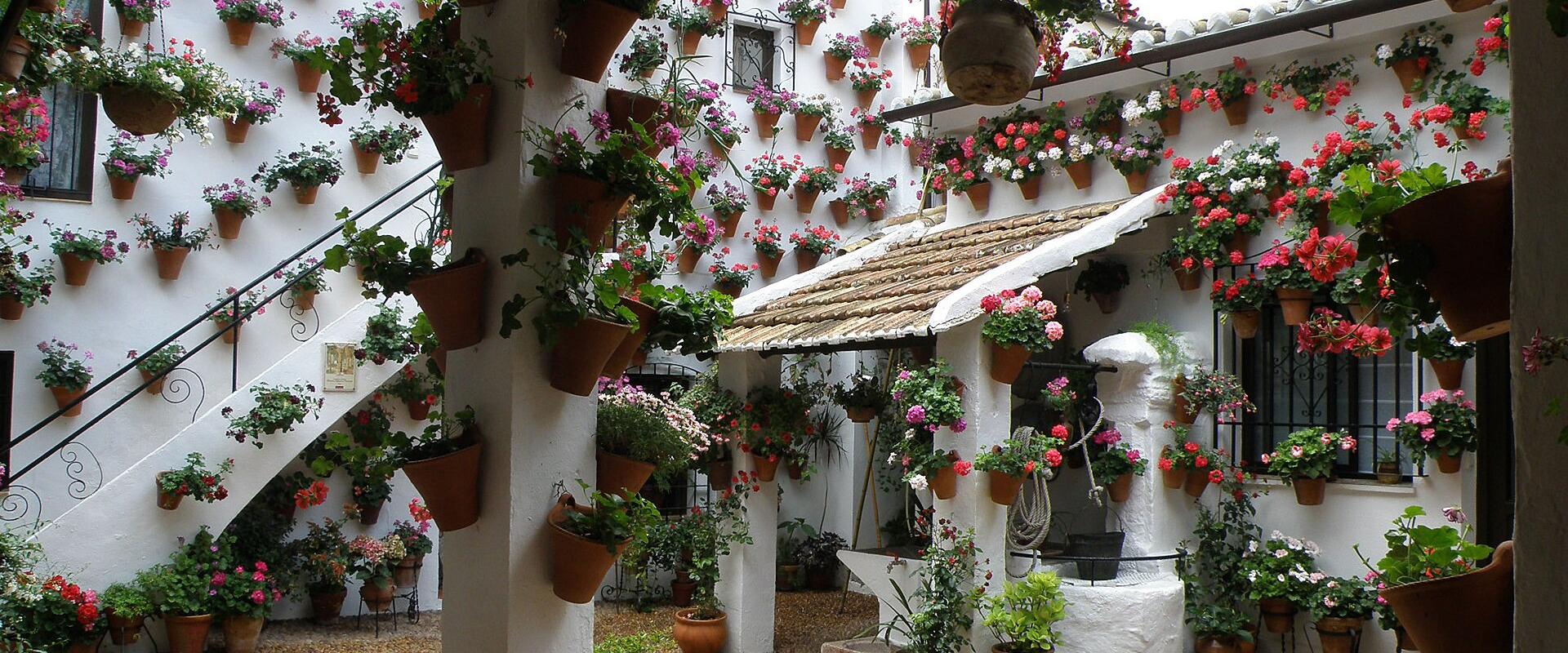
The patios of Córdoba are the inner courtyards of the old houses of the city, and they are one of its most distinctive traditions, so loved that UNESCO added the Festival of the Patios of Córdoba to the list of the intangible cultural heritage of humanity in 2012. A patio is more than a decorative space. It is the centre of a traditional Andalusian house, a courtyard open to the sky, with rooms around it, planted with flowers and often with a well or a fountain. In a city with hot summers, it works as a natural air conditioner, since the shade, the plants and the water cool the air, and families spent much of their day there. The tradition goes back to Roman houses and was developed under Islamic rule, and the courtyards, whitewashed and ornamented with tiles, carry on the inheritance of both.
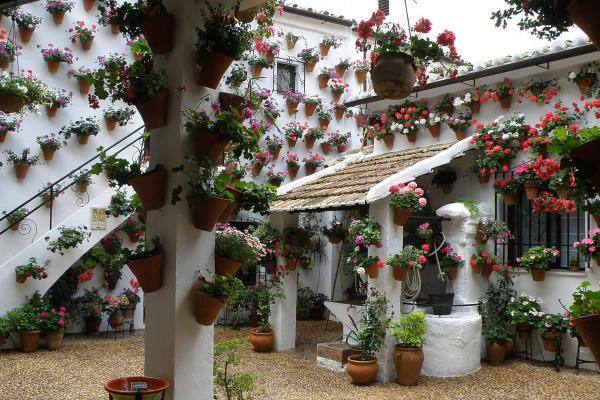
The typical patio has white walls hung with rows of flower pots, often painted blue, filled with geraniums, jasmine, carnations, bougainvillea and other plants, and the hanging pots form bright patterns on the plaster. In the middle, a stone or marble fountain or a well lends sound and freshness, with orange trees, and floors of pebbles, tiles or brick. Wrought-iron gates or glass doors give a glimpse of the courtyard from the street, and many visitors enjoy peeking through them. The houses are often modest, and owners spend a great deal of time and care on the plants, which are watered, pruned and rearranged each year.
The Festival of the Patios takes place in the first half of May, usually for about two weeks, and it is the best time to visit. The city has held a competition for the finest patios since 1918, and in the festival period hundreds of residents open their courtyards to the public, which are judged by a jury, with prizes. Streets fill with visitors, music and food, and the neighbourhoods, among them the Alcázar Viejo, the San Basilio quarter and the Jewish Quarter, are lively. The patios are usually open during limited hours in the morning and evening, and the queues at the best known can be long, so it helps to plan a route and go early. Entry to the participating patios is generally free, though donations are common.
Outside the festival, some patios stay open throughout the year, and a few are run as museums or attractions. The Palacio de Viana, a noble house with a dozen patios and gardens, is the best-known example, and other houses and public buildings open their courtyards to visitors. Hours and conditions vary, so check locally for each place.
The patios are scattered through the old town, near the Mosque-Cathedral, the Alcázar of the Christian Kings, the Calleja de las Flores and the Alley of the Arquillos, and a walk through the quarter is the natural way to find them. Early May is warm, and the weather is usually fine, but summer afternoons are very hot. Wear comfortable shoes for the cobbled streets and take water.
Categories
More photos coming soon
Nearby Attractions
Other places to visit in Córdoba

Mercado Victoria
Architectural Heritage · Historic Districts
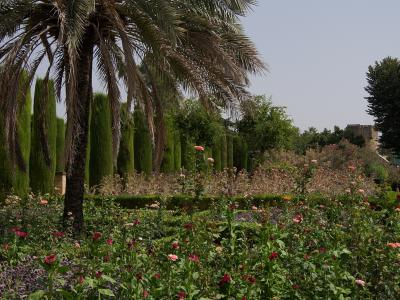
Alcázar Of The Christian Kings
Medieval fortress and palace in Córdoba
Architectural Heritage · Castles
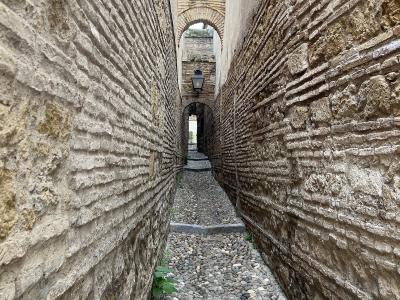
Alley Of The Arquillos (Callejón De Los Arquillos)
Non-walkable medieval alley with seven arches
Historic Heritage · Urban Exploration
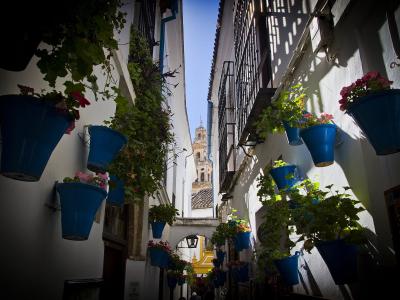
Calleja De Las Flores
Narrow alley with white walls and flower-balconies
Free Historic Districts · Urban Landmarks
Questions people ask
Quick Facts
Best Time to Visit
May through June and September offer mild weather, ideal for exploring the city.