







Timanfaya National Park
- Where
- Lanzarote, Canary Islands
- Directions
- Directions
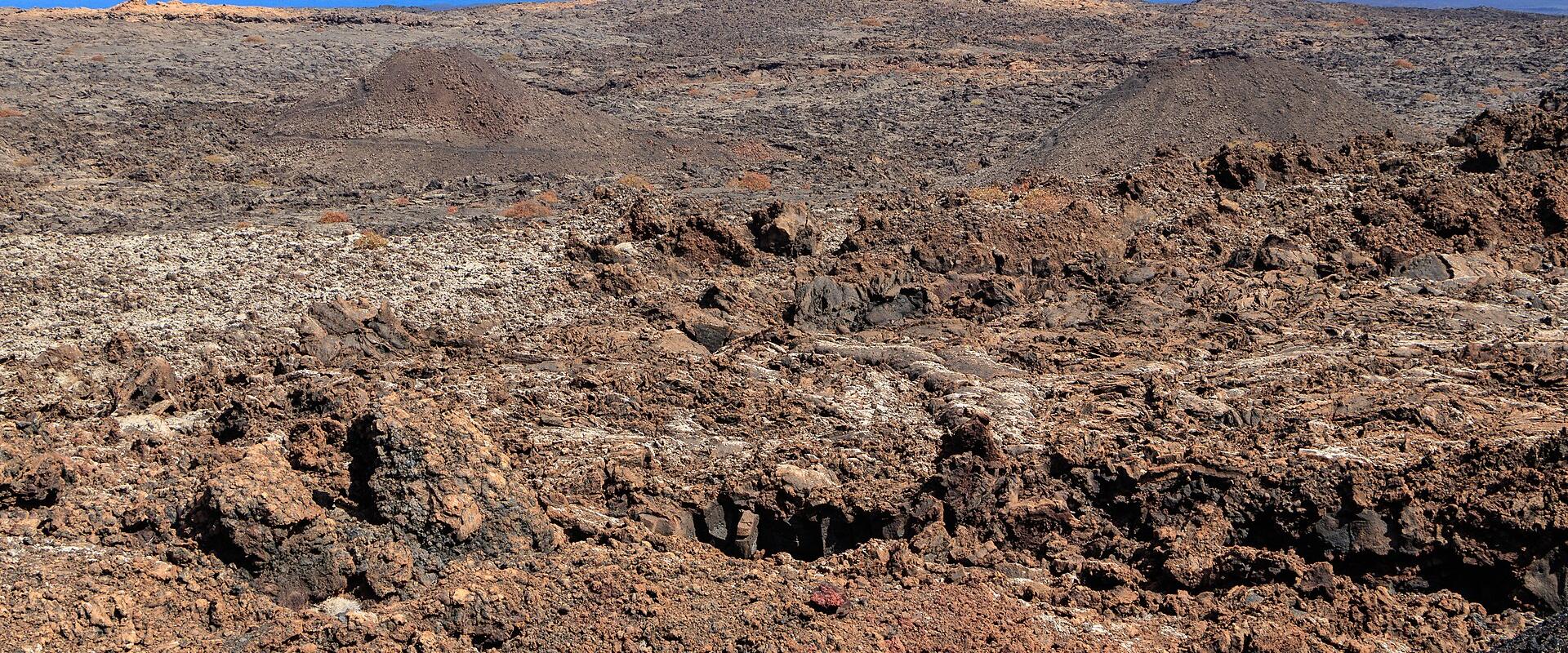
Timanfaya National Park covers the southwest of Lanzarote, a land of black lava, red cones and silence that was created in one of the longest eruptions in recorded history. Between 1730 and 1736, a chain of volcanoes opened near the village of Timanfaya and poured lava over farmland and villages, burying about a quarter of the island. The parish priest of Yaiza, Andrés Lorenzo Curbelo, left a written account of the first months of the eruption. A smaller eruption followed in 1824. The park covers around fifty square kilometres, mostly in the municipalities of Tinajo and Yaiza, and it was declared a national park in 1974. The Lanzarote biosphere reserve recognised by UNESCO surrounds it.
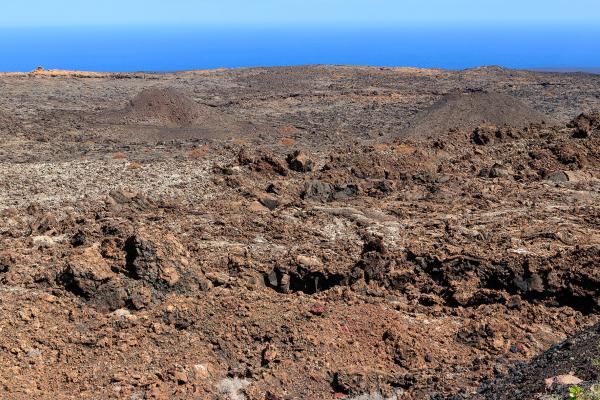
The scenery is the main attraction. The Montañas del Fuego, the Fire Mountains, are a line of cones in shades of red, orange and black, with fields of lapilli, the small cinder fragments that cover the ground, and sweeping lava flows frozen mid-motion. Very little grows here, though lichens slowly colonise the rock, and the landscape looks like another planet. Heat still rises from below the surface, which makes the area one of the main geothermal attractions of the Canary Islands.
To protect the fragile terrain, access is limited. The standard visit is a coach tour along a route of around fourteen kilometres, the Ruta de los Volcanes, which stops at viewpoints, with recorded commentary in several languages. Starting from the Islote de Hilario, the visitor area, guides demonstrate the heat in the ground. They pour water into a pipe that is sunk into the earth and it comes back out as a jet of steam, and they drop dry brush into a pit where it ignites. The nearby restaurant El Diablo cooks food on a grill set over a volcanic vent. Walking routes exist, but they are restricted and usually need advance booking with a ranger.
The devil figure that serves as the park's logo, El Diablo, was designed by the island artist César Manrique, who shaped much of the visitor infrastructure across Lanzarote. At the Echadero de los Camellos, camel rides take small groups over the slopes, which is an experience that suits families.
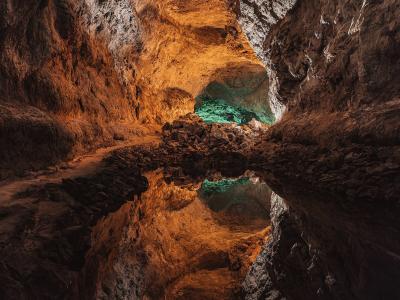
The park is easy to combine with the wine region of La Geria, where vines grow in hollows in the black ash, and with the Cueva de los Verdes and the Jameos del Agua on the north side of the island. Bring sun protection and a jacket, as the wind can be strong, and go early or late to avoid the main tour groups.
Categories
More photos coming soon
Nearby Attractions
Other places to visit in Lanzarote
Questions people ask
Quick Facts
Best Time to Visit
October to May offers mild weather and fewer crowds, ideal for exploring the island.