
Spain's best-known festivals follow fixed rules: some fall on set dates every year, others move with Easter or a day of the week. Dates below are the general rule; check the organisers' or city's official announcements for the year you travel, and book accommodation early, because prices in host towns rise sharply.
February: Carnival
Carnival falls in the days before Lent, so its date moves each year, usually landing in February or early March. Cádiz is known for its satirical singing groups (chirigotas) that perform witty songs about current events, and Santa Cruz de Tenerife holds one of the largest street carnivals in Spain. Both towns fill up, especially on the main weekends.
March: Las Fallas, Valencia
Las Fallas, added to UNESCO's list of intangible cultural heritage in 2016, is the festival that most often surprises first-time visitors. The main days run from 15 to 19 March.
- The fallas themselves are large sculptures of wood, cardboard and other materials, often satirical, built by neighbourhood associations and set up in the streets on the plantà in the middle of the month.
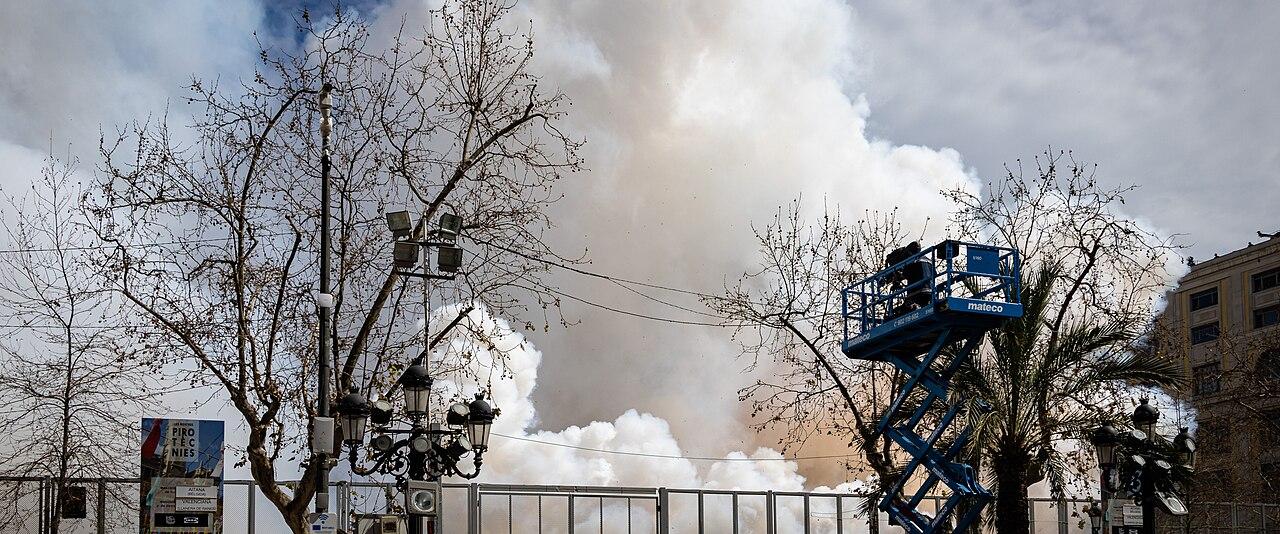
- The mascletà is a ground-level barrage of firecrackers, judged on rhythm and noise rather than looks, held daily at 2pm in the Plaça de l'Ajuntament from 1 to 19 March. Arrive early; the square fills well before.
- The Ofrenda de flores on 17 and 18 March brings thousands of people in traditional dress to offer flowers to the Virgin of the Forsaken.
- The cremà on the night of 19 March sees the fallas burned, with the one in front of City Hall burned last.
Every year one figure, the ninot indultat, is saved by public vote and placed in the Museo Fallero, which is worth visiting at any time of year.
Spring: Semana Santa and the April Fair
Holy Week (Semana Santa), the week before Easter, is celebrated throughout Spain, with the most famous processions in Andalusian cities such as Seville and Málaga, and distinctive traditions in Castilian cities such as Valladolid and Zamora. Brotherhoods carry heavy floats with religious images through the streets for hours, day and night. It is solemn rather than festive, and crowds are dense around key points of the routes.
Seville's Feria de Abril usually follows about two weeks after Easter. Most of the casetas (tents) on the fairground are private, owned by families, clubs and companies, but a few public ones are open to everyone. Horse-drawn carriages, flamenco dresses and sevillanas dancing fill the days.
June: Haro's Battle of Wine
In Haro, in the La Rioja wine region, the Batalla del Vino takes place on 29 June, the feast of Saint Peter. Participants climb to the hills outside town in the morning and drench each other with red wine from jugs, bottles and sprayers. Wear white clothes you are willing to lose, and protect phones and cameras.
July: San Fermín, Pamplona
Pamplona's festival begins with the chupinazo, a rocket launched from the town hall balcony at noon on 6 July, and ends with the singing of Pobre de mí at midnight on 14 July. The best-known event is the encierro, the running of the bulls through the old town streets each morning from 7 to 14 July at 8am, over a route of roughly 850 metres.
Running is dangerous and has caused deaths and many serious injuries. If you watch, find a spot behind the double fencing or book a balcony, and be in place early. White clothes with a red neckerchief are the traditional dress.
August: La Tomatina, Buñol
La Tomatina takes place on the last Wednesday of August in Buñol, a small town about 40 kilometres west of Valencia. It has run since 1945, and since 2013 entry has required a paid ticket, with numbers capped at around 20,000 people. The tomato fight itself lasts about an hour and is started and stopped by signals.
The town council's rules include throwing only tomatoes, squashing them before throwing to avoid injury, not ripping other people's clothes, and stopping when the final signal sounds. Wear closed shoes, old clothes and swimming goggles, and leave valuables behind. Most visitors travel from Valencia on the day.
Planning tips for any festival
- Book early. Hotels in Pamplona, Valencia and Seville can be full months in advance for their festivals.
- Expect noise and crowds. Fireworks, brass bands and street parties run late, often until dawn.
- Check transport. Extra trains and buses often run, but road closures are common in town centres.
- Watch the weather. Heat in July and August is a real risk at outdoor events; drink water and find shade.
- Respect the religious elements. Many festivals honour patron saints, and processions call for quiet and respect even when the rest of the day is a party.