







Toro
Golden Romanesque town above the Duero, famous for its collegiate church and red wine
Toro stands on a ridge above the Duero river in the south of the province of Zamora, on the road between Zamora and Valladolid. The town was already important in the Middle Ages. Medieval kings favoured it, and in 1230 Ferdinand III was crowned King of León here. In 1476 the Battle of Toro was fought close by, in which the forces of Isabella of Castile secured her claim against Juana la Beltraneja, and Toro was again the setting for royal assemblies. The Laws of Toro, issued in 1505, are a landmark of Spanish legal history and take their name from the town.
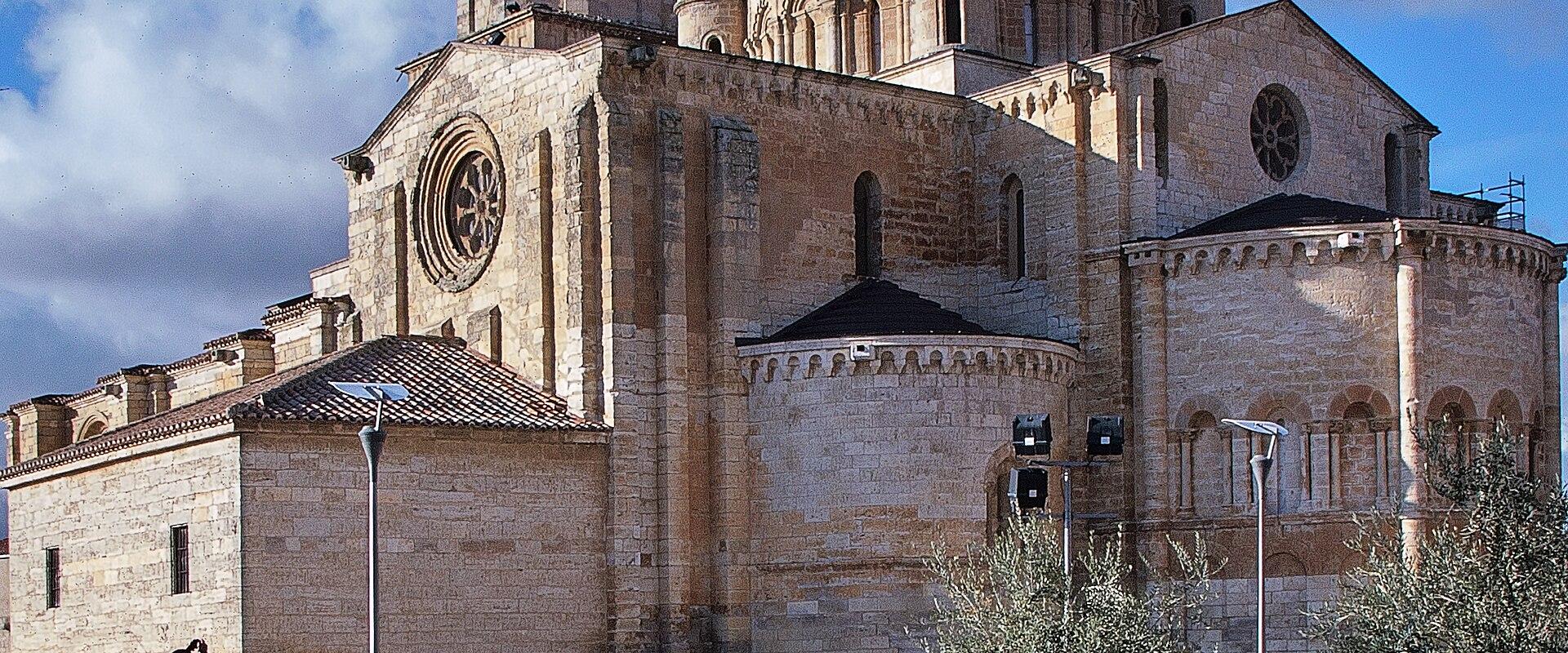
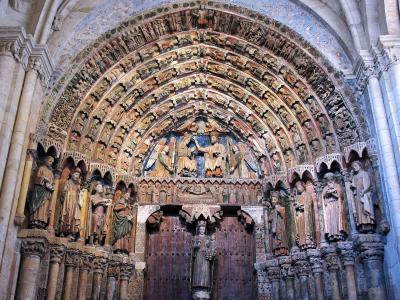
The Colegiata de Santa María la Mayor is the main reason to come. The church was built from the late twelfth century into the thirteenth, and is considered one of the finest late Romanesque buildings in Castile and León. Its tall dome, a lantern over the crossing in the style of the Zamora school, can be seen from across the plain, and the walls are built of warm golden stone. On the south side is the Portico of Majesty, a Gothic porch whose statues keep traces of their original colour, one of the best preserved polychrome doorways in Spain. Inside the museum area hangs the Virgen de la Mosca, a Flemish painting of the late fifteenth century that shows the Virgin with a small fly on her robe. The colegiata also has a cloister. Opening times and tickets vary, so confirm them locally.
The rest of the old town rewards slow walking. The Plaza Mayor has a semicircular arcaded shape and the town hall, and the nearby clock arch, the Arco del Reloj, forms a gateway into the square. San Lorenzo el Real is a Mudejar church of brick, typical of the style that mixed Christian and Islamic building techniques in Castile, and other churches and convents, such as the Monasterio de Sancti Spiritus, add to the heritage. Palaces with coats of arms line some of the streets. The viewpoint over the Duero near the colegiata gives wide views of the river, the medieval bridge with its many arches and the vineyards beyond.
Wine is the other pillar of Toro. The town gave its name to a wine tradition that goes back centuries: King Alfonso IX of León granted privileges to Toro's wine in the twelfth century, and it is said that Columbus carried Toro wine on his voyage of 1492. The local grape, Tinta de Toro, a regional form of Tempranillo, makes strong, dark red wines, and the Denominación de Origen Toro was established in 1987. Many wineries around the town offer tours and tastings, and some are in old cellars cut into the hillside, so it is wise to book ahead.
Local food is traditional Castilian: roast lamb, cured sausage, local cheeses and hearty stews, served in restaurants around the plaza. Toro's pastry shops sell sweets made locally, and a glass of the town's red wine is the natural pairing.
Toro lies about 32 kilometres from Zamora and 62 kilometres from Valladolid, and the A-11 motorway passes close to the town. Spring and early autumn are the best times to visit, when temperatures are mild and the grape harvest in September and October brings activity to the vineyards. Summer afternoons are very hot, and winter nights are cold on the high plateau.
Best time to visit
April to June and September to October, when the weather is mild and the grape harvest brings the wineries to life; summers are hot and winters cold.
What to see in Toro
Our picks first.
Toro by interest
The same sights, grouped by what you came for.
Did you know?
Checked facts about Toro, each with its source.
-
Notable Person
Local Cinematic Talent
Cinematographer Luis Cuadrado was born in Toro in 1934, highlighting the town's connection to the film industry.
Source: en.wikipedia.org
Planning a visit to Toro
Good to know
- Currency
- EUR
- Language
- Spanish
Quick Facts
Book your stay
Questions people ask
More places in Castile and León
Castile and León
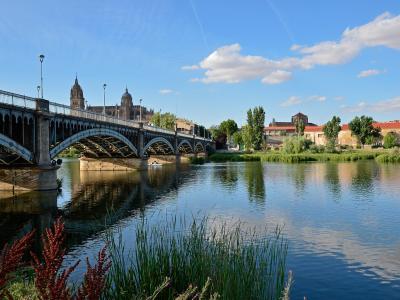
Salamanca
Castilian city with two historic cathedrals
Castile and León
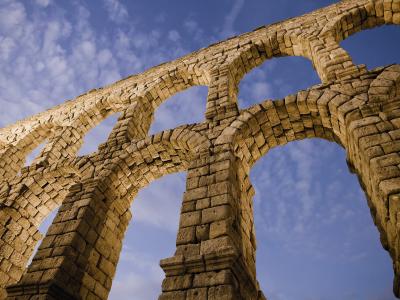
Segovia
Castilian city with Roman aqueduct and fairy-t castle
Castile and León
Burgos
Medieval cathedral city on the Camino de Santiago
Castile and León
Valladolid
Castilian university city with historicist architecture