







Colegiata de Santa María la Mayor
- Where
- Toro, Castile and León
- Directions
- Directions
The Colegiata de Santa María la Mayor is a collegiate church in Toro, a historic town in the province of Zamora, about thirty kilometres east of the city of Zamora. It stands on a rise above the Duero river, and its tall dome and the warm gold of its stonework make it one of the finest Romanesque monuments in Castile and León. The church was built from the late twelfth century into the thirteenth, and it belongs to a school of Romanesque architecture in the region around Zamora, Toro and Salamanca, known for its domed crossing towers.
The feature that dominates the building is the cimborrio, a lantern-dome rising above the crossing, with two tiers of windows, blind arcades and scale-like roof tiles, a design shared with the cathedral of Zamora and the Old Cathedral of Salamanca. The church is built of local sandstone, which weathers to a golden colour and glows in the evening sun, and it is among the best-looking examples of the type.
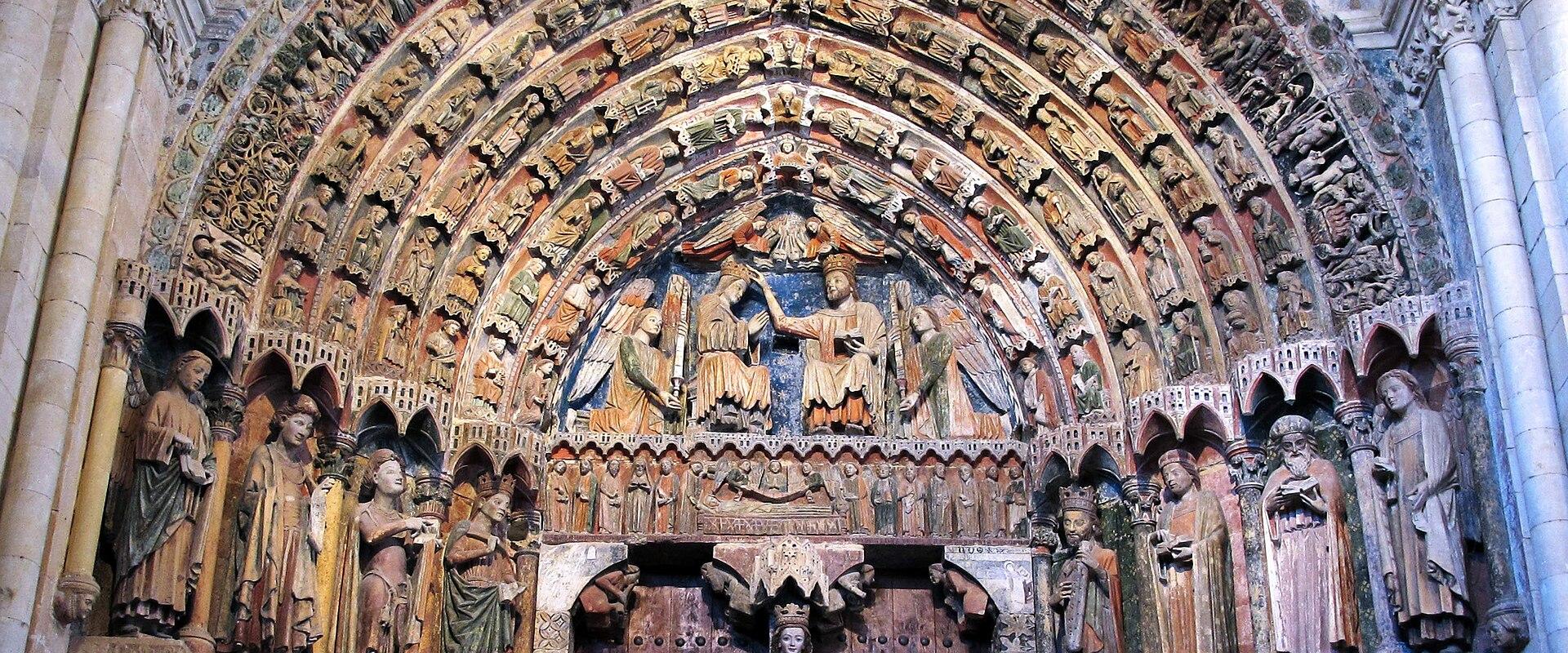
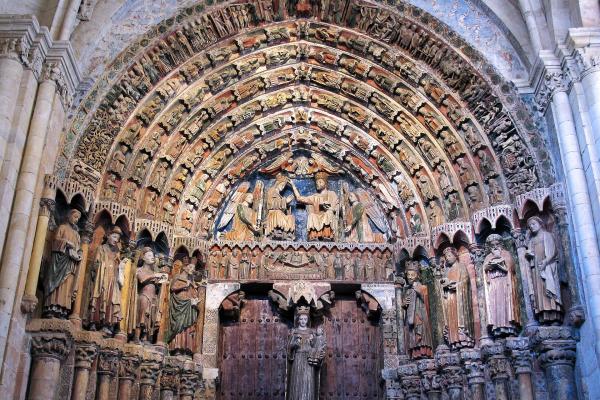
The north and west fronts have carved doorways, but the great work is the Pórtico de la Majestad, a western portal completed in the Gothic period and decorated with sculpture that was originally painted. Its figures show scenes from the life of the Virgin and the Last Judgement, called the Final Judgment in English guides, with angels and the blessed and the damned arranged in tiers around the door, and the stone retains traces of its bright colours following a restoration of the portal and its porch. It is considered one of the most complete examples of polychrome medieval sculpture in Spain, and it repays a close look.
Inside, the church has a basilica plan with a wide nave and side aisles, and the vaulting, capitals and altars reflect the building’s long history. The collection includes a medieval image of the Virgin shown as pregnant, a rarer type of sacred art, and a painting known as the Virgen de la Mosca, the Virgin of the Fly, which is famous for a realistic fly painted on the Virgin’s tunic, an example of the skill of the painter. Visitors are often encouraged to climb to the upper levels, where the view over the town, the river and the surrounding vineyards is wide.
Toro is a wine town, producing strong red wines from the local tinta de Toro grape, and many bodegas can be visited. The town also has other Romanesque and Mudéjar churches and a well-preserved historic centre, so the collegiate church is a good starting point for a day in the area. It is best reached from Zamora by car or bus, and opening arrangements for the interior and the upper levels should be checked locally.
Categories
More photos coming soon
Nearby Attractions
Closest attractions by distance
Alcázar de los Condes de Zamora
Architectural Heritage · Historic Houses
Iglesia de San Andrés
Architectural Heritage · Historic Churches
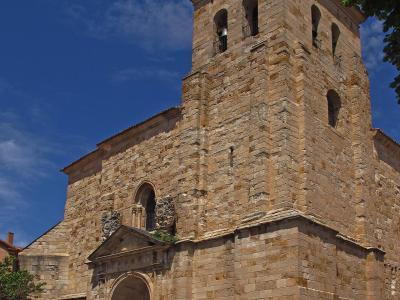
Iglesia de San Ildefonso
Architectural Heritage · Historic Churches
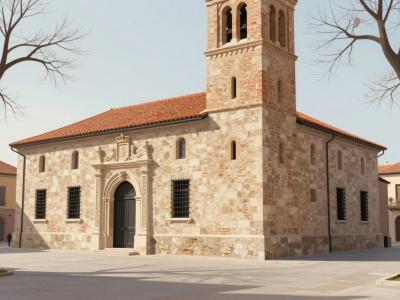
Iglesia de San Juan de los Caballeros
Architectural Heritage · Historic Churches
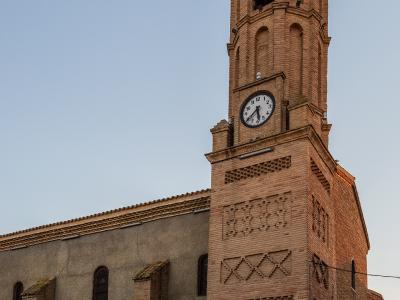
Iglesia de San Pedro Mártir
Historic Churches · Historic Districts
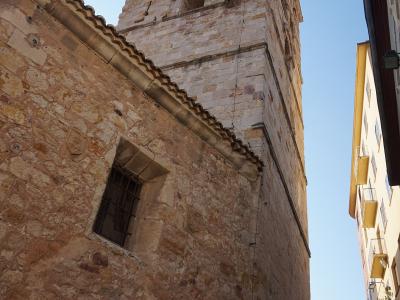
Iglesia de San Vicente
Architectural Heritage · Historic Churches
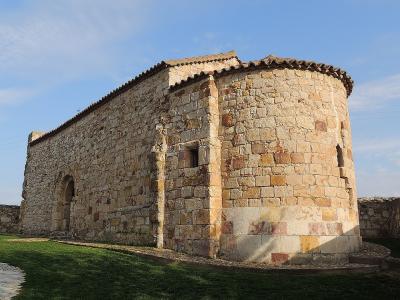
Iglesia de Santiago
Architectural Heritage · Historic Churches
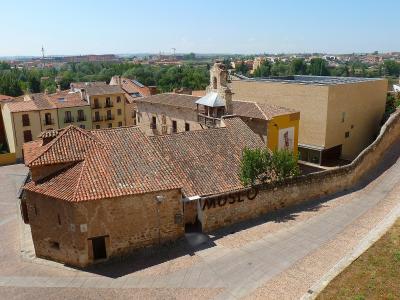
Museo de Zamora
Historic Heritage · Museums & Culture
Questions people ask
Quick Facts
Best Time to Visit
April to June and September to October, when the weather is mild and the grape harvest brings the wineries to life; summers are hot and winters cold.