
History
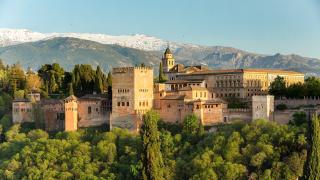
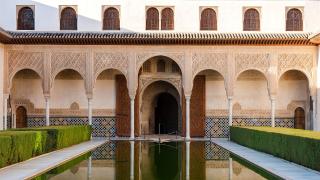
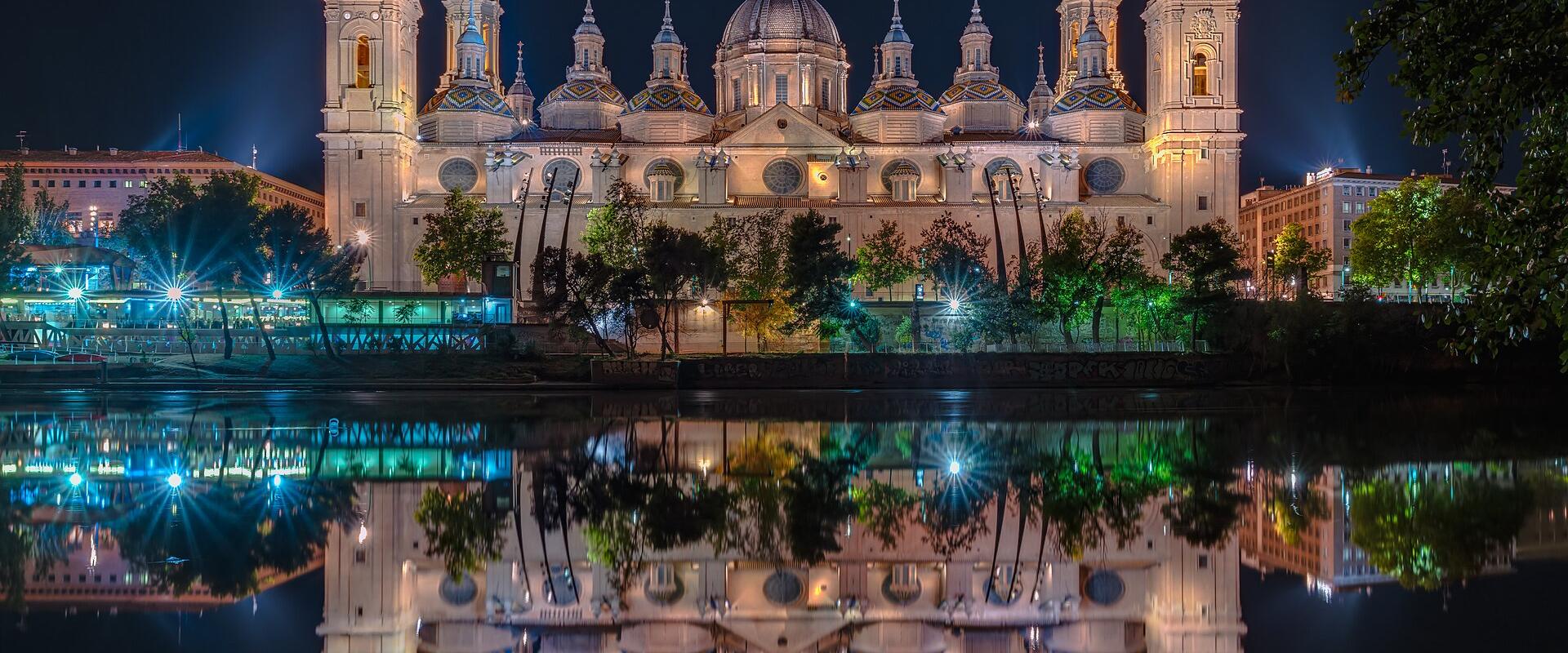
Zaragoza’s history is a layered narrative spanning over two millennia, beginning with its founding as the Roman colony of Caesaraugusta in 14 BCE. Strategically located on the Ebro River, it served as a crucial military and trade hub in the Roman Empire. Following the fall of Rome, the city passed through Visigothic and Moorish hands, with the latter leaving an indelible mark on its architecture and culture. The Aljafería Palace, a fortified Islamic residence, stands as a testament to this era. The Christian Reconquest in the 12th century transformed the city, leading to the construction of grand cathedrals and the flourishing of Mudejar architecture, a unique blend of Islamic and Christian styles. This rich historical tapestry is preserved in the city’s monuments, offering a tangible connection to its diverse past.
Main Attractions
The primary attraction in Zaragoza is the Basilica of Our Lady of the Pillar, a colossal Baroque structure that dominates the skyline. Built on the site where the Virgin Mary reportedly appeared to St. James, it is a major pilgrimage site and a masterpiece of Spanish religious architecture. Adjacent to the Basilica is La Seo Cathedral, a complex of Gothic, Baroque, and Mudejar styles that reflects the city’s architectural evolution. The Aljafería Palace, a fortified Islamic palace from the 11th century, offers a glimpse into the Moorish period with its intricate courtyards and palatine chapel. The historic center, or Casco Antiguo, is a pedestrianized zone filled with Renaissance palaces and narrow streets, inviting exploration. These landmarks collectively showcase the city’s monumental heritage and cultural diversity.
Activities
Visitors to Zaragoza can engage in a variety of activities that highlight its cultural and culinary offerings. Exploring the historic center on foot is a primary activity, allowing visitors to admire the architecture and visit museums like the Goya Museum, which houses works by the renowned local artist. The city is also renowned for its tapas scene, particularly in the El Tubo area, where locals and tourists alike gather to sample Aragonese cuisine. For those interested in nature, the city’s extensive green spaces and cycle lanes provide opportunities for walking and cycling. The vibrant nightlife and social atmosphere offer a warm welcome to visitors, making it an ideal destination for those seeking an authentic Spanish experience.
Getting There
Zaragoza is well-connected by air and rail, serving as a strategic crossroads between northern and central Spain and southern France. The Zaragoza Airport offers domestic and international flights, while the city’s high-speed rail links connect it to Madrid, Barcelona, and other major Spanish cities in just over an hour. The train station is centrally located, providing easy access to the historic center. For those traveling by car, the A-2 highway provides direct access from Madrid and other regions. Public transportation within the city is efficient, with buses and a bike-sharing system facilitating movement around the urban area.
Best Time to Visit
The best time to visit Zaragoza is during the spring (April to June) and autumn (September to October) months. During these periods, the weather is mild and pleasant, with comfortable temperatures ideal for exploring the city on foot. The summer months can be hot, with high temperatures, while the winter months can be cool and rainy. Visiting during the shoulder seasons allows for a more relaxed experience, with fewer crowds and lower accommodation prices. It is advisable to book accommodation in advance, especially during peak tourist seasons, to ensure availability.
Best time to visit
May through June and September offer mild weather, ideal for exploring the city.
What to see in Zaragoza
Our picks first.
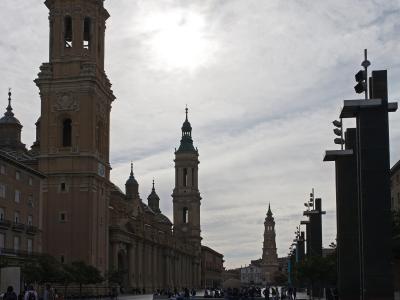
Plaza del Pilar
City Centers · Historic Churches
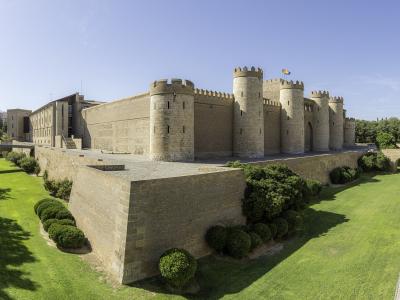
Aljafería Palace
Historic Heritage · Museums & Culture
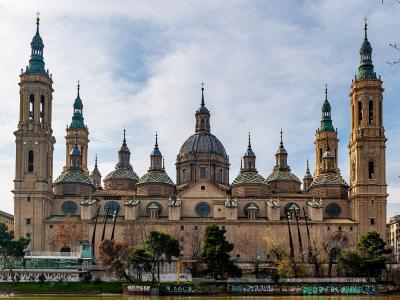
Basilica de Nuestra Señora del Pilar
Architectural Heritage · Historic Churches
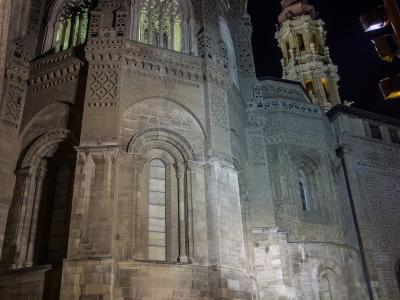
Zaragoza Cathedral (La Seo)
Historic Heritage · Architectural Heritage
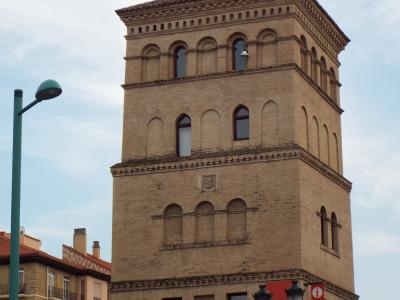
Torres de la Zaidería
Architectural Heritage · Historic Towers
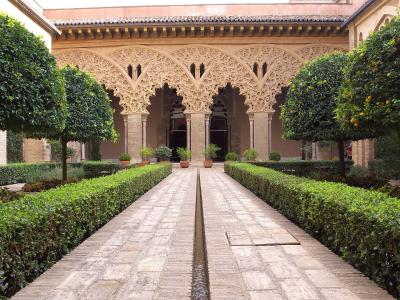
Palacio de la Aljafería Gardens
Historic Heritage · Architectural Heritage
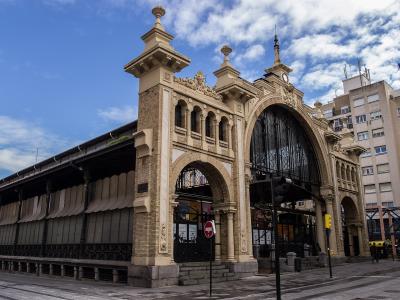
Mercado Central de Abastos
Architectural Heritage · Markets
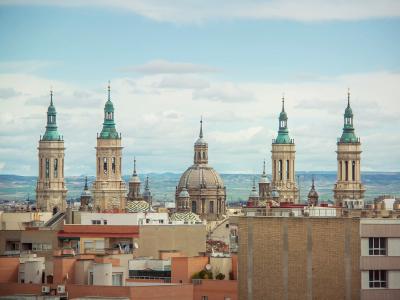
Museo del Pilar
Historic Heritage · Museums & Culture
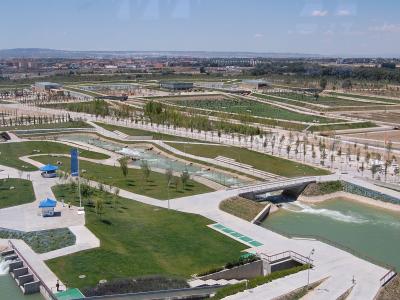
Parque del Agua Luis Buñuel
Nature & Outdoors · Urban Exploration
Zaragoza by interest
The same sights, grouped by what you came for.
Did you know?
Checked facts about Zaragoza, each with its source.
-
History
Defeated French Army in 1808
The city is historically significant for the 1808 resistance, where citizens and soldiers successfully defended Zaragoza against French imperial forces, a pivotal moment in the Peninsular War that was later immortalized in Francisco Goya's paintings.
Source: en.wikipedia.org -
Notable Person
Goya’s Artistic Roots
The world-renowned painter Francisco Goya, born in nearby Fuendetodos, received his formal artistic education in Zaragoza, where he produced his early works before achieving international fame.
Source: www.spiritualtravels.info
Planning a visit to Zaragoza
Itineraries that include Zaragoza
Good to know
- Currency
- EUR
- Language
- Spanish