

2-day itinerary
Segovia Cultural Heritage
2-day Segovia tour of Roman aqueduct and Alcázar
- Length
- 2 days · 5 sights
- Pace
- Moderate
- Estimated cost
- €50 per person
- Based in
- Segovia
Day by day
-
Day 1: Roman Marvels and Medieval Streets
Day 1 focuses on the iconic Roman Aqueduct, the historic Jewish Quarter, and the architectural gems of the old town, culminating in a traditional lunch.
-
09:00
Arrival and Orientation
Arrive at Segovia via high-speed train from Madrid. Take a short taxi or bus ride to the city center. Drop bags at accommodation if early check-in is available, or store them at the station.
About 60 min
-
10:00
Walk to the iconic 1st-century Roman aqueduct. Walk along the base to admire the 167 arches. This is the symbolic heart of the city and a UNESCO World Heritage site.
About 1.5 hours
-
11:15
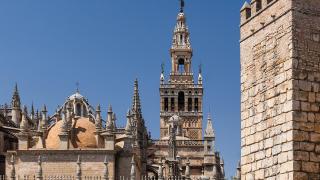
Segovia Cathedral (La Manquita)
Visit the last Gothic cathedral built in Spain. Admire the intricate facade and the stunning interior, including the 'mudejar' style choir and the impressive bell tower with its 12 apostles.
About 45 min
-
12:15
Plaza de la Constitución
Stroll through the main square, observing the local life, the Casa de la Cad also, and the surrounding historic architecture. Perfect for people watching.
About 30 min
- Meals:
- Lunch at Restaurante El Sestero or Mesón Cándido
- Where to stay:
- Stay in the historic center (Centro) for easy access to all attractions. Options range from boutique hotels like Parador to budget hostels.
- Getting around:
- Walking is the primary mode of transport in the historic center. The train station is a 15-20 minute walk or a short taxi ride from the center.
-
09:00
-
Day 2: The Alcázar and Artistic Heritage
Day 2 focuses on the majestic Alcázar of Segovia, the Jewish Quarter, and local art, providing a deep dive into the city's cultural heritage.
-
09:00
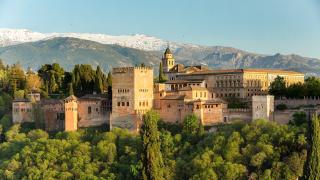
Visit the iconic castle, often cited as an inspiration for Disney's Cinderella Castle. Explore the Throne Room, the Hall of Kings, and the tower for panoramic views. Book tickets in advance.
About 1.5 hours
-
10:30
Segovia Art Museum (Museo de Segovia)
Explore the local art and history in the former Convent of San Diego. The museum features a collection of religious art, ceramics, and artifacts from the region's history.
About 60 min
-
11:30
Wander through the narrow, winding streets of the old Jewish quarter. Admire the historic houses, including the Casa de los Picos, and the ancient Synagogue of Santa María la Blanca.
About 45 min
-
12:30
Parque del Río Eresma
Take a leisurely walk along the Eesma River. Enjoy the green spaces, the bridge, and the serene atmosphere. This is a great spot for a final photo op before departure.
About 30 min
- Meals:
- Breakfast at Café near Alcázar; Lunch at Restaurante El Sestero or similar
- Where to stay:
- Same as Day 1. Ensure checkout is completed by 11:00 AM if leaving the hotel, or store luggage in the lobby.
- Getting around:
- Walking is sufficient for all activities on Day 2. The city center is compact and walkable.
-
09:00