







Fundación César Manrique
- Where
- Lanzarote, Canary Islands
- Directions
- Directions
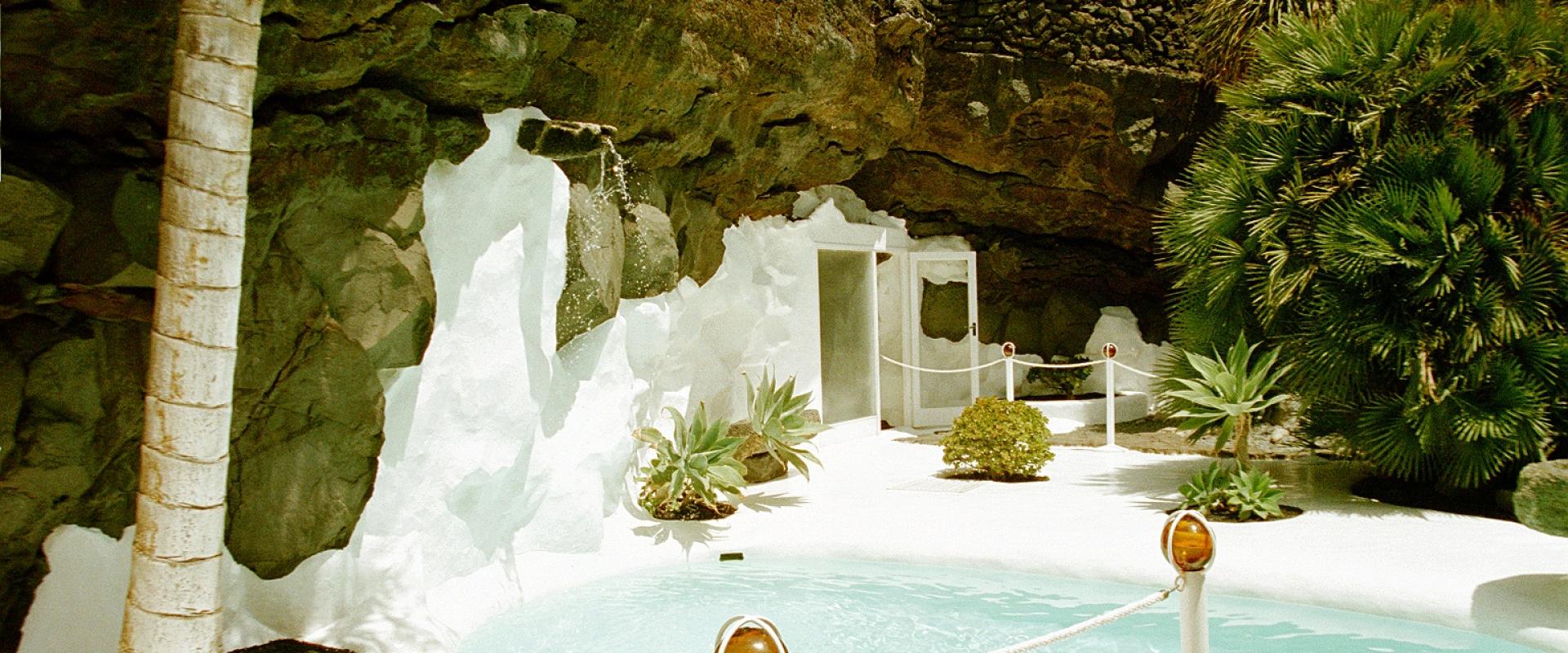
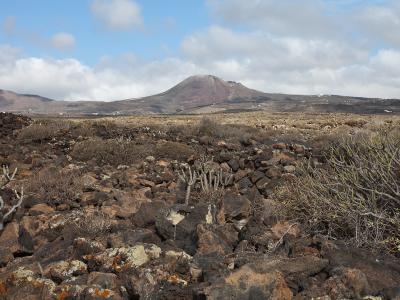
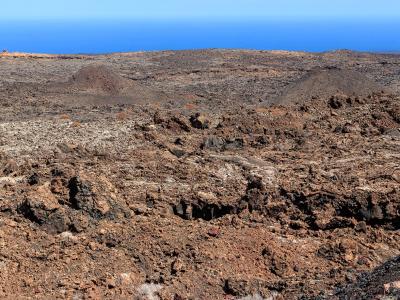
The Fundación César Manrique occupies the house that Manrique built for himself in the late 1960s at Taro de Tahíche, in the centre of Lanzarote. He had returned to his home island after years in Madrid and New York with a desire to show what a house built with, rather than against, the volcanic land could look like. The site was a lava field left from the eruptions of 1730 to 1736, and he found beneath it a series of volcanic bubbles, hollows formed when gas was trapped in the molten rock. He chose to build on top of them and then to go down into them.
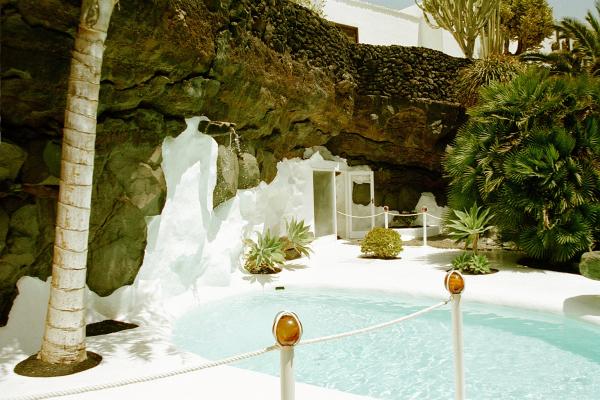
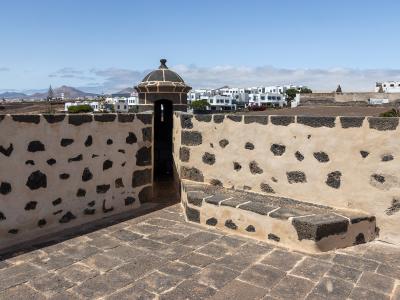
The house is built on two levels. The upper floor is traditional in appearance, with white walls, wide windows and a flat roof that blends with the island's architecture, and from it you look out over the black lava field. Below, a staircase takes you down to five connected volcanic bubbles, which he turned into living spaces, joined by tunnels cut through the rock. Their curved walls are painted white in some places and left as raw black lava in others, and one of the bubbles contains a pool and a patio with a tree growing through an opening to the sky. The effect is of living inside the volcano, and it is utterly distinctive.
Manrique lived here from 1968 until the late 1980s, when he moved to a smaller house in Haría in the north of the island, where he lived until his death in a road accident in 1992. The foundation was established that year and opened its doors in the former home. Today, rooms display his paintings and sculptures, as well as works from his personal collection by other artists, and furniture and details that he designed himself. The foundation also holds archives and organises exhibitions and cultural activities.
The visit shows more than one artist's house. It explains Manrique's philosophy, which argued that tourism on Lanzarote should respect the landscape, with low-rise buildings in white and traditional colours, no billboards and works that fit in with the volcanic setting. That approach is the reason the island looks the way it does and why it was recognised as a biosphere reserve.
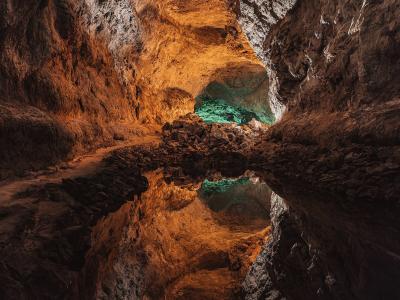
The building is part of the island's group of art, culture and tourism centres, and is easy to combine with Jameos del Agua, the Cueva de los Verdes and the Jardín de Cactus. It suits architecture and design lovers and those curious about the island's identity. Check current opening times and booking arrangements before going.
Categories
More photos coming soon
Nearby Attractions
Other places to visit in Lanzarote
Questions people ask
Quick Facts
Best Time to Visit
October to May offers mild weather and fewer crowds, ideal for exploring the island.