What a Pintxos Crawl Is
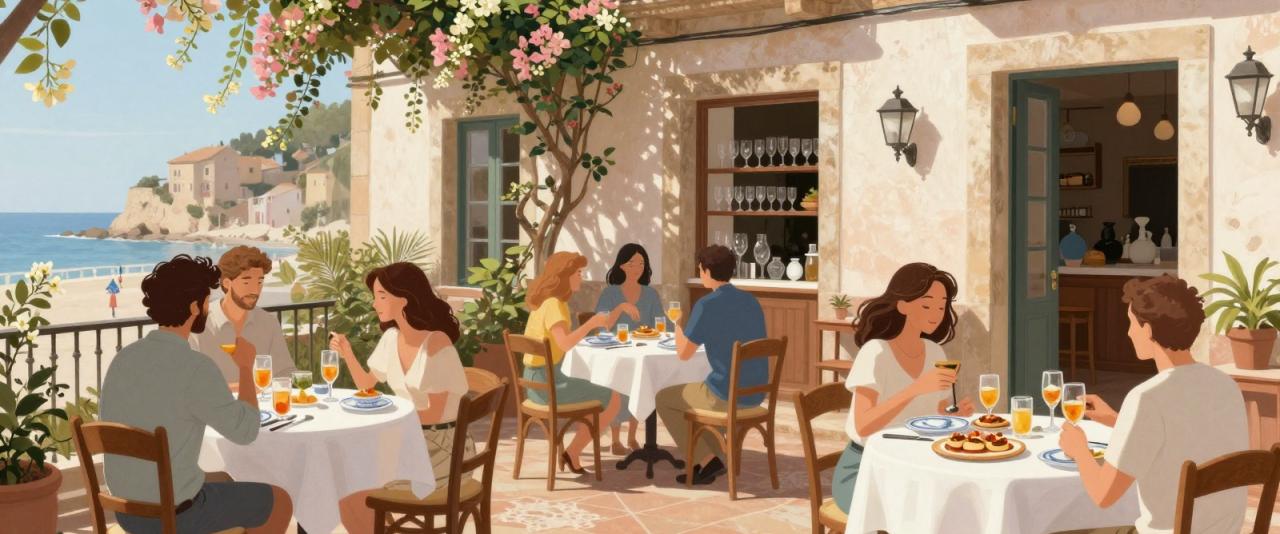
In the Basque Country, a pintxo (pincho in Spanish) is a small snack, often served on a slice of bread and held together with a toothpick, from which it takes its name: pincho means spike. In Donostia-San Sebastián, going from bar to bar for one or two pintxos and a small drink at each is a normal evening out rather than a tourist activity, and it is the best way to eat well in the city without booking a restaurant.
The idea is to keep moving. You stand at the bar, eat one or two things a bar does well, then walk on to the next. Groups of friends often do this every week, and the bars are set up for quick turnover rather than long sit-down meals.
Where to Go
The Parte Vieja (Old Town) is the main area. It sits between the harbour, Mount Urgull and the Alameda del Boulevard, and its grid of narrow streets holds a dense concentration of pintxos bars. Most of the buildings date from the 19th century, after the town was rebuilt following its destruction in 1813. Calle 31 de Agosto, Calle Fermín Calbetón and the streets around the Plaza de la Constitución are lined with bars, so you can do a whole crawl within a few blocks.
Gros, across the Urumea river by Zurriola beach and the Kursaal congress centre, is a quieter alternative with many bars favoured by locals. It is a short walk over the bridges from the Old Town and works well if the Parte Vieja is packed.
Centro, the 19th-century grid between the Old Town and La Concha beach, also has good bars, though they are more spread out.
How Ordering and Paying Work
Bars typically show two kinds of pintxos:
- Cold pintxos on the counter. These are laid out on the bar. In some places you help yourself on a plate; in others you point and the staff serve you. If unsure, ask before taking.
- Hot pintxos from the kitchen. Many of the best dishes are cooked to order and listed on a board behind the bar or on a menu. These are often the specialities, so read the board before reaching for whatever is on the counter.
Payment is usually at the end. Tell the bartender what you had and they total it up; some bars count toothpicks or plates. Pintxos and drinks are ordered and paid for separately from any table service. Bars get very busy, so make eye contact, order clearly and keep it short.
What to Order
Every bar has its own specialities, so the best advice is to ask what the house is known for. Some classics you will see across the city:
- Gilda. An olive, a guindilla pepper and an anchovy on a skewer. It is widely credited to San Sebastián in the 1940s and named after Rita Hayworth's film Gilda.
- Fish and seafood. Anchovies, hake, salt cod and stuffed peppers are common.
- Tortilla de patatas. Spanish potato omelette, often served in a thick wedge.
- Croquetas. Fried béchamel croquettes, often with ham or salt cod.
- Cooked-to-order dishes such as grilled mushrooms, foie gras, ribs or squid, depending on the bar.
What to Drink
The traditional choices are small, so you can keep moving:
- Txakoli, a young, slightly sparkling Basque white wine, poured from a height to aerate it.
- Zurito, a small glass of beer.
- Cider from the surrounding province of Gipuzkoa, especially in the cider-house season from winter to spring.
- Red wine, often from nearby Rioja.
Etiquette and Practical Tips
- Go early or late. Bars fill up in the evening and at weekend lunchtimes. Arriving shortly after opening gives you space at the counter.
- One or two per bar. Ordering a full meal in one place misses the point and holds up space for others.
- Napkins on the floor are a traditional sight in some older bars, but follow what locals do in each place rather than assuming.
- Check opening days. Many bars close one day a week and some close for holidays, especially outside summer.
- Cash and cards. Most bars take cards, but having some cash helps with small bills in busy places.
- Be patient in peak season. In July and August, and during events such as the San Sebastián International Film Festival in September, the Old Town is crowded. Gros is often easier then.