History and Cultural Heritage
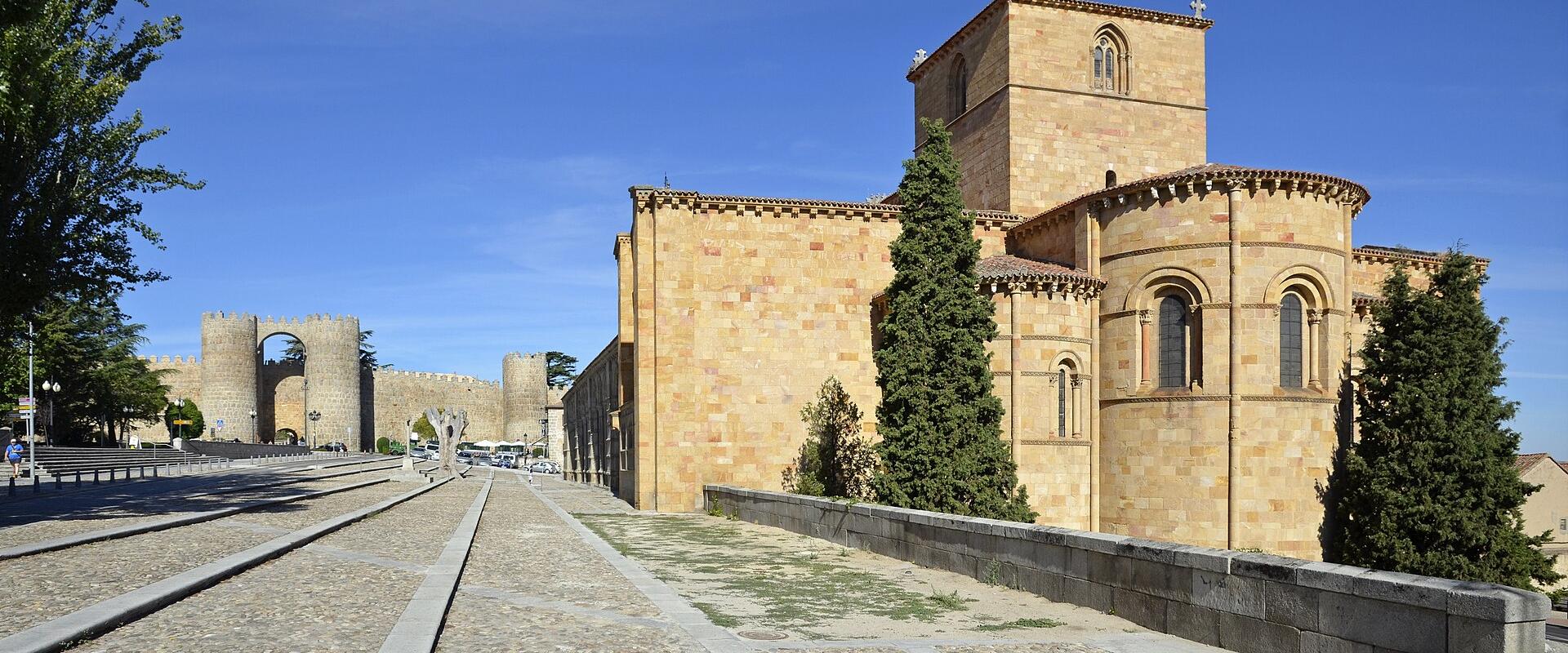
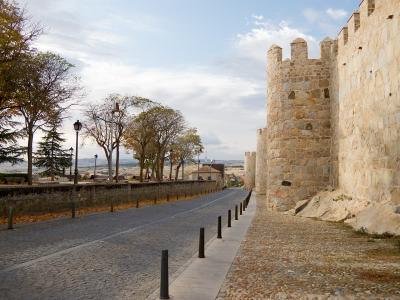
Ávila’s history is defined by its strategic position on the frontier between Christian and Muslim territories. Located on the right bank of the Adaja River at an elevation of 1,132 meters, it is the highest provincial capital in Spain. The city’s origins date back to the 11th century, when King Alfonso VI ordered the construction of massive defensive walls to protect against Moorish incursions. These walls, nearly two kilometers long and punctuated by 88 towers, remain one of the best-preserved medieval fortifications in Europe. The city earned the nickname "Town of Stones and Saints" due to its dense concentration of religious architecture and its association with St. Teresa of Ávila, a 16th-century reformer of the Carmelite Order. The historic center, a UNESCO World Heritage Site, preserves the medieval layout and atmosphere, offering a tangible connection to Spain’s Reconquista era.
Main Attractions
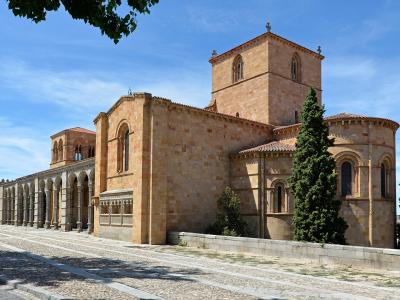
The crown jewel of Ávila is its medieval wall, which encircles the old town and offers panoramic views of the surrounding Sierra de Gredos mountains. Walking along the top of the wall is a must, providing a unique perspective of the city’s rooftops and towers. Inside the walls, the Cathedral of Ávila stands as a fortress-like structure, blending Romanesque and Gothic styles. It is one of the earliest examples of Gothic architecture in Spain and houses the tomb of St. Teresa. The Basilica of San Vicente, located just outside the main walls, is another key landmark, featuring intricate Romanesque carvings and a prominent bell tower. The city is also home to numerous palaces, such as the Palacio de los Serranos, which showcase the wealth and power of the noble families that once resided here.
Activities
Visitors to Ávila can explore the narrow, cobblestone streets of the historic center, discovering hidden plazas and churches at every turn. The city offers a tranquil atmosphere, perfect for leisurely walks and photography. For those interested in art, the Museo de Ávila provides insights into the region’s history and religious heritage. The local cuisine is a highlight, with traditional dishes like cochinillo (suckling pig) and chuletillas (lamb chops) available in many local restaurants. The city also hosts festivals throughout the year, including the Medieval Fair, which brings the past to life with reenactments and markets.
Getting There
Ávila is easily accessible from Madrid, located approximately 100 kilometers to the southeast. Regular bus services run from Madrid’s Moncloa bus station, with a journey time of about 1.5 hours. For those traveling by car, the A-50 highway provides a direct route, with the drive taking roughly 1 hour and 15 minutes. The city is well-connected by road, making it a convenient day trip or overnight stay from the capital. Public transport within the city is limited, but the historic center is compact and easily explored on foot.
Best Time to Visit
The best time to visit Ávila is during the spring (April to June) and autumn (September to October) months. During these periods, the weather is mild and pleasant, with comfortable temperatures for exploring the city. The summer months can be hot, with high temperatures that may be uncomfortable for outdoor activities. The winter months are cold, with the possibility of snow, but the city retains its charm with fewer crowds. The ideal time to visit is during the shoulder seasons, when the weather is pleasant and the crowds are smaller, allowing for a more relaxed and immersive experience.
Best time to visit
May through September offers warm, dry weather ideal for exploring the historic center.
What to see in Avila
Our picks first.
Avila by interest
The same sights, grouped by what you came for.
Did you know?
Checked facts about Avila, each with its source.
-
Film & TV
Kingdom of Heaven Filming Site
The 2005 epic film Kingdom of Heaven used Ávila as a filming location, among other productions shot in the province.
Source: moviescenemap.com -
History
Highest Provincial Capital in Spain
Ávila sits at an elevation of over 1,130 metres (3,710 ft) above sea level, making it the highest provincial capital in Spain.
Source: en.wikipedia.org -
History
Early Christianization in Hispania
Ávila is recognized as one of the first cities in Hispania to be Christianized, specifically by Saint Secundus (San Segundo).
Source: www.avila.com
Planning a visit to Avila
Itineraries that include Avila
Good to know
- Currency
- EUR
- Language
- Spanish
Quick Facts
Book your stay
Questions people ask
More places in Castile and León
Castile and León
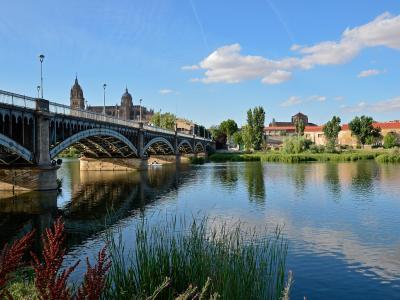
Salamanca
Castilian city with two historic cathedrals
Castile and León
Segovia
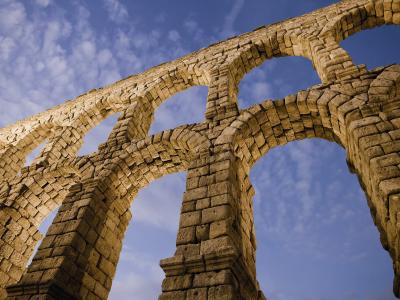
Castilian city with Roman aqueduct and fairy-t castle
Castile and León
Burgos
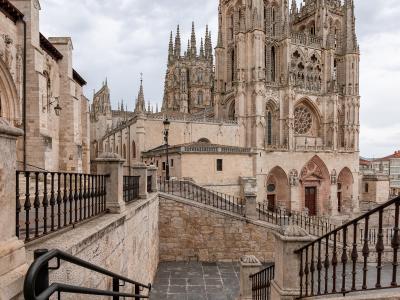
Medieval cathedral city on the Camino de Santiago
Castile and León
Valladolid
Castilian university city with historicist architecture