







History and Cultural Heritage
Soria’s history is deeply rooted in its strategic location at the crossroads of northern Spain. The city’s origins are linked to the ancient Celtiberian settlement of Numancia, whose legacy of resistance against the Roman Empire is a source of local pride. Following the Roman period, the region became a frontier zone, witnessing conflicts between Christian and Muslim forces during the Middle Ages. The strategic importance of Soria led to its incorporation into the Crown of Castile, where it flourished as a center of wool production. This economic prosperity is reflected in the city’s architecture, particularly the Romanesque buildings that define its historic center. The interplay of these historical layers creates a unique cultural landscape, where the past is preserved in the stone and stone of the city’s buildings.
Main Attractions
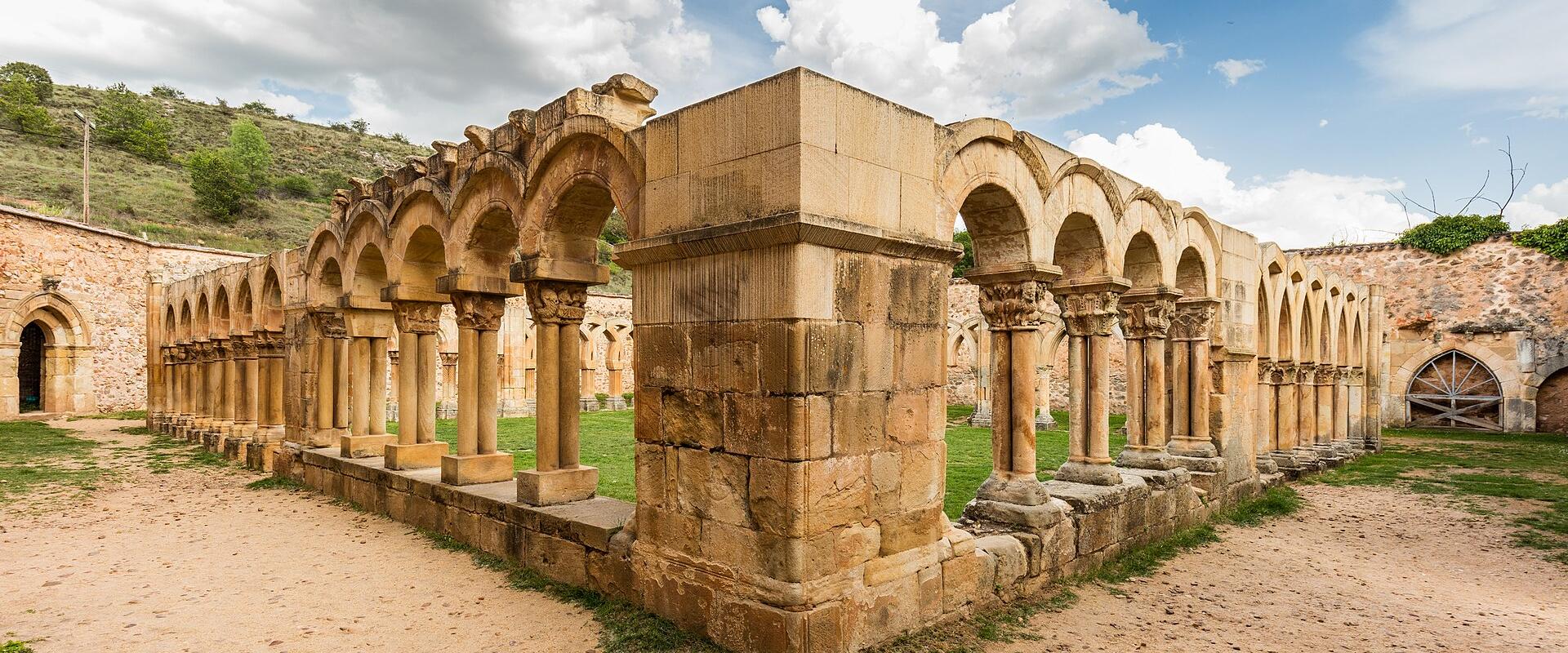
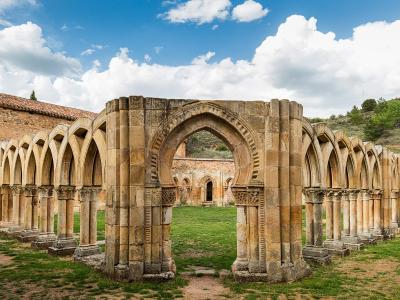
The historic center of Soria is dominated by the Romanesque church of Santo Domingo, a masterpiece of 12th-century architecture. Its intricate facade is considered one of the finest examples of Romanesque art in the region. Nearby, the Pro-Cathedral of San Pedro, built in the 12th century, features a Renaissance facade and a stunning interior with a Flemish triptych of the Crucifixion. The Monastery of San Pedro, located near the Duero River, offers a serene setting with its cloister, which is characterized by a series of half-arches supported by columns. These architectural gems are not just historical artifacts but are integral to the city’s identity, offering a glimpse into the region’s rich cultural heritage.
Activities
Visitors to Soria can explore the historic center, admiring the Romanesque architecture and the intricate details of the buildings. The city offers a range of cultural experiences, including visits to local museums and galleries. For those interested in nature, the surrounding landscape offers opportunities for hiking and exploring the natural beauty of the region. The Duero River provides a scenic backdrop, with opportunities for leisurely walks along its banks. The combination of cultural exploration and natural beauty makes Soria a unique destination for those seeking a peaceful and enriching experience.
Getting There
Soria is accessible by road, with regular bus services connecting the city to major Spanish cities. The journey from Madrid, for example, takes approximately three hours. The bus station in Soria is well-connected, with regular services to other parts of the region. For those traveling by car, the A-1 highway provides a direct route to Soria, with clear signage and well-maint roads. Public transport is reliable and affordable, making it an accessible option for travelers.
Best Time to Visit
The best time to visit Soria is during the spring (April to June) and autumn (September to October) months. During these periods, the weather is mild and pleasant, with comfortable temperatures for exploring the city and its surroundings. The summer months can be hot, with high temperatures that may be uncomfortable for outdoor activities. The winter months are cold, but the city retains its charm, with fewer crowds. The ideal time to visit is during the shoulder seasons, when the weather is pleasant and the crowds are smaller, allowing for a more relaxed and immersive experience.
Best time to visit
June through September offers warm, pleasant weather ideal for exploring.
What to see in Soria
Our picks first.
Soria by interest
The same sights, grouped by what you came for.
Did you know?
Checked facts about Soria, each with its source.
-
Film & TV
Doctor Zhivago Filmed Here
The 1965 film Doctor Zhivago was filmed in Soria, Spain, utilizing the local landscape to stand in for the Russian setting of the story.
Source: moviescenemap.com
Planning a visit to Soria
Itineraries that include Soria
Good to know
- Currency
- EUR
- Language
- Spanish
Quick Facts
Book your stay
Questions people ask
More places in Castile and León
Castile and León
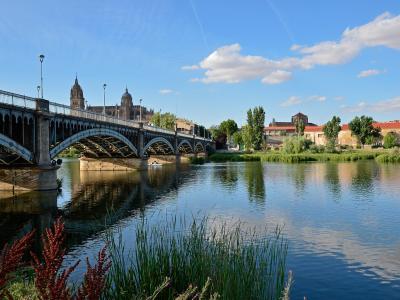
Salamanca
Castilian city with two historic cathedrals
Castile and León
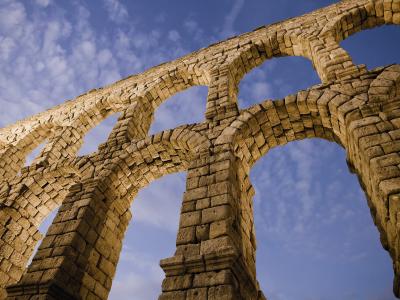
Segovia
Castilian city with Roman aqueduct and fairy-t castle
Castile and León
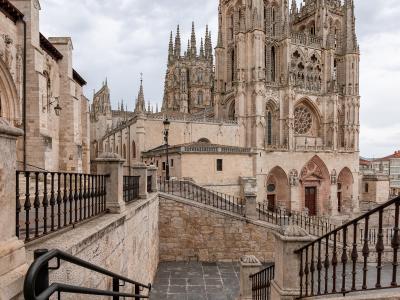
Burgos
Medieval cathedral city on the Camino de Santiago
Castile and León
Valladolid
Castilian university city with historicist architecture